阅读视图

Argentina Eyes the Falklands Again. This Time, the U.S. May Not Back Britain
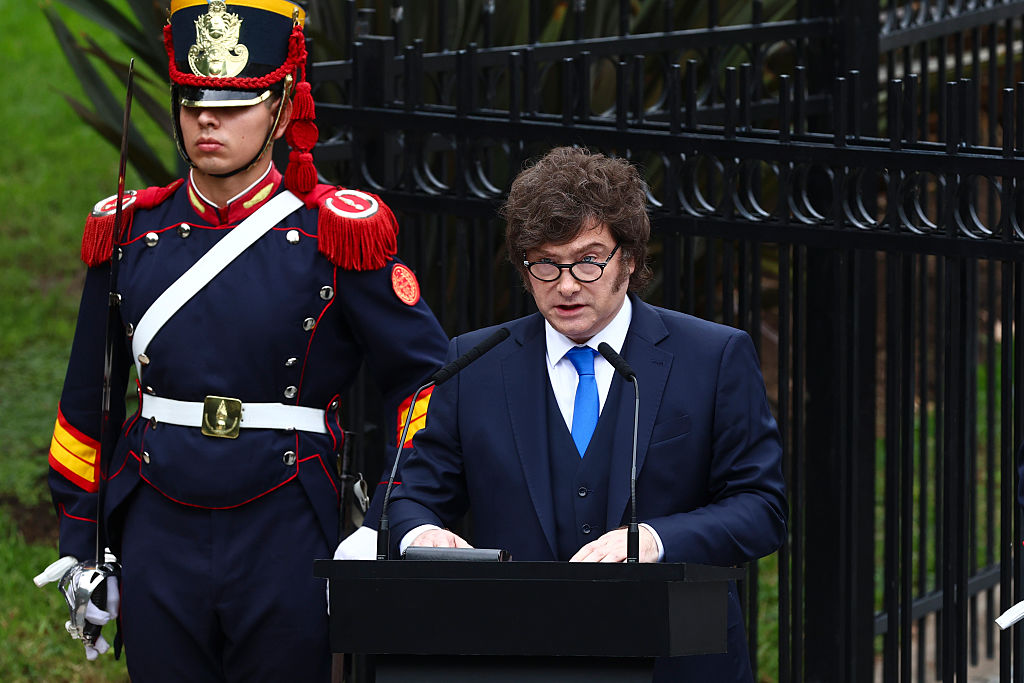
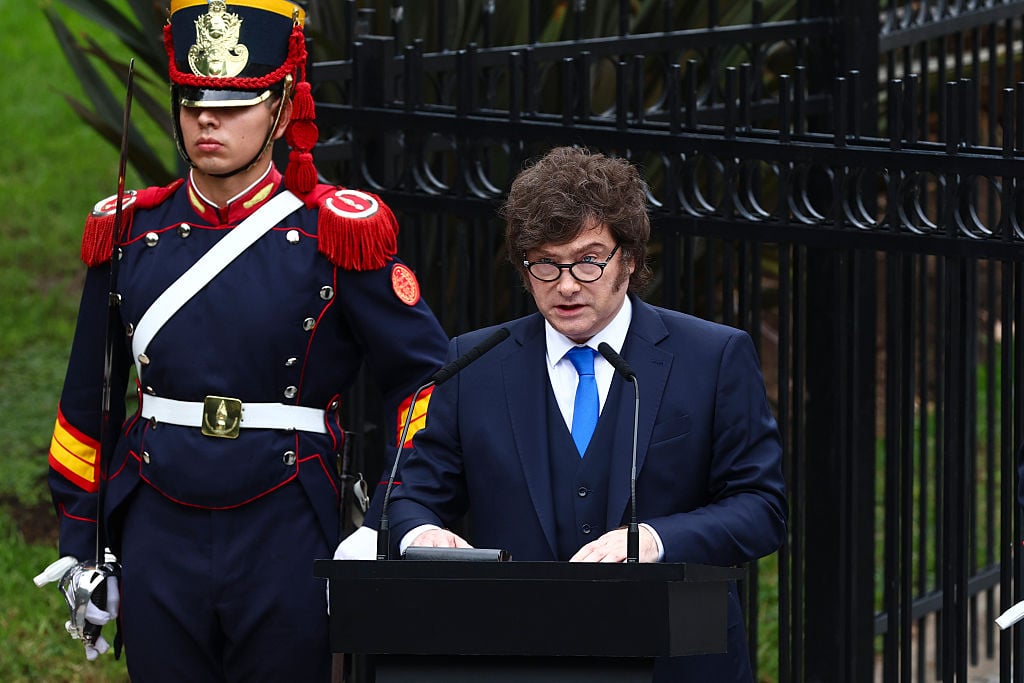
Argentina's President Javier Milei attends a ceremony to honor victims of the 1982 war between Argentina and Britain in the Malvinas Islands, marking the 44th anniversary of the conflict, in Buenos Aires, Argentina, on April 2, 2026. —Matias Baglietto—NurPhoto via Getty Images

Argentine President Javier Milei has launched a new effort to claim control of the Falkland Islands, reigniting a long-standing dispute with the United Kingdom over the archipelago, which once led to war. 

"THE MALVINAS WERE, ARE, AND ALWAYS WILL BE ARGENTINE,” Milei said on X in Spanish on Friday, using the Argentine name for the islands.  

In a separate interview with the Argentine digital channel Neura posted by Milei on Friday, he said that the country was doing “everything humanly possible” to return the Falklands to Argentina. 

Read More: Falkland Islands: A Melancholy Anniversary

“Sovereignty is non-negotiable, but it must be handled judiciously, with brains,” said Milei, a staunch ally of President Donald Trump. 

The Falkland Islands are a small group of islands some 300 miles east of Argentina, with a population of around 3,600. 

Both Britain and Argentina have historic claims to the islands, and the two countries fought a short but fierce war in 1982 after Argentina tried to seize control of them. Argentina eventually surrendered in June of that year after at least 900 people were killed.  

Milei’s renewed push for Argentine control of the islands comes after it emerged that the United States is considering a review of its support for the U.K.’s historic claim to the islands. 

Relations between the U.S. and the U.K. have been strained since European and NATO allies refused to provide aid to America and Israel’s war with Iran. According to an internal Pentagon email reported by Reuters, the U.S. is considering a review of U.S. diplomatic support for European countries’ "imperial possessions," such as the ⁠Falkland Islands, in response. 

Prime Minister Keir Starmer’s official spokesman said on Friday that the Falklands’ “sovereignty rests with the U.K.” and that “the islanders' right to self-determination is paramount.”

“We've expressed this position previously clearly and consistently to successive U.S. administrations and nothing is going to change that,” he added. 

That position has support across the aisle in Britain. Kemi Badenoch, leader of the opposition Conservative Party, said, “The Falklands are British. Full stop.”

“We fought for them when it mattered most and paid the price,” she continued on X. “And because the islanders have chosen it, clearly and repeatedly.”

The State Department currently recognizes the U.K.’s sovereignty over the islands, but Trump’s relationship with London has soured in recent months. 

Trump wants to punish NATO for its lack of support in the Iran War

The leaked Pentagon memo, prepared by Elbridge Colby, the Pentagon's top policy adviser, cites a “sense of entitlement” among NATO allies that Trump is looking to punish.

Trump has expressed his frustration with NATO allies publicly over their refusal to join the Iran War, warning them of a “very bad” future if they did not help him open the Strait of Hormuz. When Europe called for resistance and declined to send warships to the Strait, he called NATO “useless.”

Read More: Leaving NATO Would Be National Self-Sabotage

Trump’s words prompted a response from Starmer, who said he was “fed up” with people in the U.K. struggling to pay  for gas and energy bills ever since the war sparked a worldwide energy crisis, raising prices across the world.

“Whatever the pressure on me and others, whatever the noise, I'm going to act in the British national interest in all the decisions that I make, and that's why I've been absolutely clear that this is not our war, or we're not going to get dragged into it,” Starmer said during a press briefing on April 1, justifying his decision not to contribute to the attack on Iran

Argentina and the U.K. fought a war over the islands

The competing claims to the island date back hundreds of years, to a period when the British Empire stretched across the world. 

The archipelago, which lies 8,000 miles away from the British Isles, was settled by the British in the mid-18th century. Britain withdrew amid a power struggle with Spain over control of the islands. When Argentina declared independence from Spain in 1816, it claimed sovereignty over the islands and established a small settlement there in the 1820s.

Eventually, the British expelled Argentina from the islands in 1833 and established the Falklands as an official colony. 

Argentina never gave up its claim to the islands, and in 1982, Argentina’s military junta, led by Lieutenant General Leopoldo Galtieri, launched an effort to recapture them.   

Galtieri saw his chance when Argentine scrap metal workers occupied and raised the Argentinian flag at an abandoned whaling station on the British territory of South Georgia, a small island east of the Falklands. When they refused British orders to leave, Argentina sent warships ostensibly to protect the workers. The U.K. sent its own naval vessel in response. 

Believing the U.K. would not respond militarily, and facing an economic crisis and mass protests at home, Galtieri ordered a full-scale invasion to retake the islands on April 2, 1982. 

British Prime Minister Margaret Thatcher's government then sent its own naval task force to recapture them.

A war ensued between Argentina and the U.K. over control of the Falkland Islands, with the U.S. under President Ronald Reagan backing Britain.

After a 74-day conflict, Argentina eventually surrendered to British forces. Some 900 people died in the war, including 649 Argentines, 255 British troops and three civilian islanders.
© Matias Baglietto—NurPhoto via Getty Images
Argentina's President Javier Milei attends a ceremony to honor victims of the 1982 war between Argentina and Britain in the Malvinas Islands, marking the 44th anniversary of the conflict, in Buenos Aires, Argentina, on April 2, 2026.
  •  

Why U.K. Lawmakers Have Called for King Charles’ Visit to the U.S. to Be Canceled

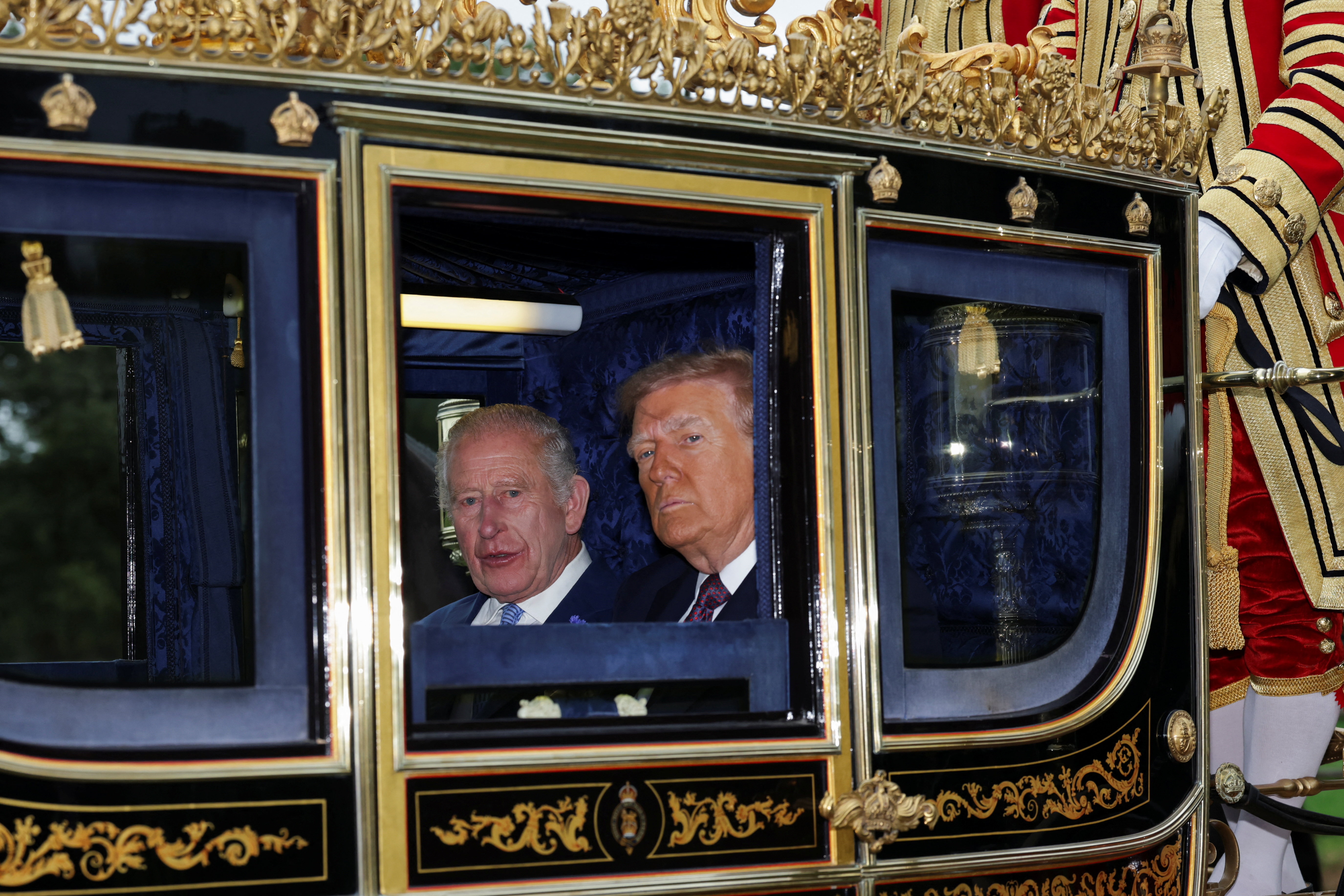
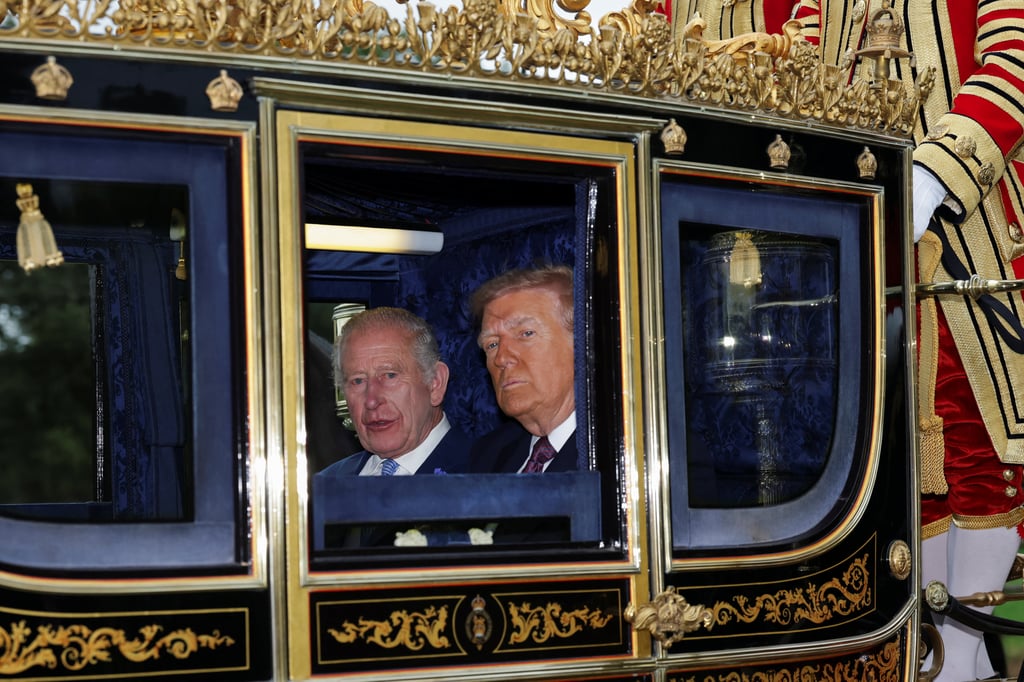
King Charles III and U.S. President Donald Trump sit in a carriage during a procession through Windsor Castle on Sept. 17, 2025, in Windsor, England. —Toby Melville—Getty Images

King Charles III’s upcoming state visit to D.C. has been heralded by President Donald Trump as a chance to repair frayed U.K.-U.S. relations, but some British lawmakers are calling for it to be canceled. 

Set to start on April 27, the four-day trip will see Charles and Camilla enjoy a state dinner at the White House while also traveling to Virginia and New York as they honor the 250th anniversary of American independence.

It’s the first U.S. state visit made by a British Monarch since Queen Elizabeth II was hosted by President George Bush in 2007, but the backdrop of the trip is wrought with geopolitical tensions.

The fallout of the Iran war has splintered U.K.-U.S. relations and fractured the once-prosperous alliance between Trump and British Prime Minister Keir Starmer.

Trump has directed a series of complaints and warnings toward the U.K. on account of Starmer refusing to get actively involved in the conflict. This week, he threatened to impose a “big tariff” on the U.K. if it doesn't drop its digital services tax on U.S. tech companies.

The threat renewed the unease many British lawmakers have expressed over the timing of Charles’ visit.

Ed Davey, leader of the Liberal Democrats, on Friday said: “Why is Keir Starmer rewarding this bullying behaviour with a state visit from the King?”

He previously appealed for Starmer, the leader of the ruling Labour Party, to recall the trip, citing the Iran war and the resulting increase in energy prices impacting U.K. homes.

“Keir Starmer should advise the King that the state visit to the U.S. scheduled for April should be called off. At a time when Trump has launched an illegal war that is devastating the Middle East and pushing up energy bills for British families, it’s clear this visit should not go ahead,” Davey urged in March.

He argued that a state visit from Charles “would be seen as yet another huge diplomatic coup for President Trump” and that such a reward “should not be given to someone who repeatedly insults and damages our country.”

Davey renewed his efforts to have the trip reconsidered last week, after Trump, while referring to the “sad” state of London and Washington relations, warned that the U.K.-U.S. trade deal reached in 2025—which was celebrated at the time for its “reciprocity and fairness”—could be changed.

“This must be the last straw. Surely the Prime Minister can't send our King to meet a man who treats our country like a mafia boss running a protection racket,” Davey said in an address to parliament.

Starmer, in response, reaffirmed the broader significance of the U.S.-U.K. relationship and expressed the importance of the King’s trip.

"The purpose of the visit is to mark the 250th anniversary of relations and independence of the U.S.,” he said. “The monarchy is an important reminder of the long-standing bonds and enduring relationship between our two countries which are far greater than anyone who occupies any particular office at any particular time.”

Still, Davey is far from the only British lawmaker to raise issue with Charles' trip.

With the U.K.-U.S. relationship under increasing strain, here’s what else to know about the state visit, its purpose, and the lawmakers who are opposed to it going ahead.

What is the purpose of King Charles' state visit?

The visit will mark the King’s first state visit to the U.S. since he ascended the throne in 2022 and is intended to commemorate the 250th anniversary of American independence.

It’s “an opportunity to recognize the shared history of our two Nations,” Buckingham Palace said.

Trump, a long-time admirer of the royal family, described the trip as a “momentous occasion” and said he plans to host a “beautiful” banquet dinner at the White House.

The King is also expected to address a joint session of Congress on April 28—the second time a British monarch has done so, following Queen Elizabeth II’s address in 1991.

Evie Aspinall, director of the British Foreign Policy Group, tells TIME that “given Trump has a kind of strong affinity for the royal family” the visit represents “a unique opportunity to strengthen the bilateral relationship at a moment where it is fracturing.”

Trump echoed this sentiment when asked recently if the royal visit could help repair the historically strong relationship, answering: “Absolutely, the answer is yes.”

"I know him well, I've known him for years," Trump said of the King. "He's a brave man, and he's a great man.”

The trip will also include a visit to New York where Charles is expected to attend a wreath laying at the 9/11 memorial, as well as a stop in Virginia, where the royals are set to meet Appalachian and Indigenous communities.

Why are some lawmakers concerned about King Charles' trip—and what have they said?

Against the backdrop of the Iran war and Trump’s continued criticism of the U.K., some lawmakers have argued the visit poses more risks than benefits.

Members of the Liberal Democrats have been the most vocal, with 29 MPs calling on Starmer to cancel the visit “given President Trump’s ongoing war and disparaging remarks about the U.K. and other allies who were not consulted on the decision to go to war.”

Green Party leader Zack Polanski has also raised grave concerns.

“The King should be going nowhere near Donald Trump at this time. The truth is, Keir Starmer has waved this visit through because he’s scared to stand up to this rogue President,” he argued

Emily Thornberry, a senior figure in Starmer’s Labour party, is quoted as telling BBC Radio 4 that, given the war, it was worth questioning whether it would be appropriate to proceed with the visit or to “delay it.”

"If it was to go ahead, it would go ahead against a backdrop of a war and that, I think, is quite difficult—and the last thing that we want to do is to have their majesties embarrassed," she said in March.

Aspinall acknowledges that Trump is “a very volatile character,” but warns that canceling the visit could have had broader consequences.

“It would be devastating for the U.K.-U.S. relationship if King Charles were to pull out,” she tells TIME. “Whilst other leaders might deal with it differently, almost certainly you would see very volatile comments about the U.K., threats around tariffs, and undermining U.K. security.”

Public opinion, meanwhile, remains divided.

A YouGov poll published in late March found that 49% of Britons oppose the visit, compared with 33% in favor.

How the Iran war has strained relations between the U.K. and U.S.

Relations between the U.K. and the U.S. began to deteriorate following Starmer’s initial refusal to allow U.S. forces to access British bases for their initial strikes against Iran.

While the U.K. later permitted the use of bases for defensive purposes, Starmer maintained that Britain would not be actively involved in the war.

Those decisions have drawn the wrath of Trump, who described Starmer as “no Winston Churchill” and accused him of wanting to “join wars after we've already won.”

Starmer, in turn, has stepped up his criticism of Trump, saying he is “fed up” with the global economic instability caused by his decisions, while other senior U.K. officials have accused the Administration of entering the Iran war without a “clear exit plan.”

The British Prime Minister also emphasized this week that, despite Trump’s critical remarks, he will not be "diverted or deflected" from acting in, what he believes to be, the “best national interest" of the U.K.

© Toby Melville—Getty Images

King Charles III and U.S. President Donald Trump sit in a carriage during a procession through Windsor Castle on Sept. 17, 2025, in Windsor, England.
  •  

Netanyahu Says He Underwent Treatment For Prostate Cancer

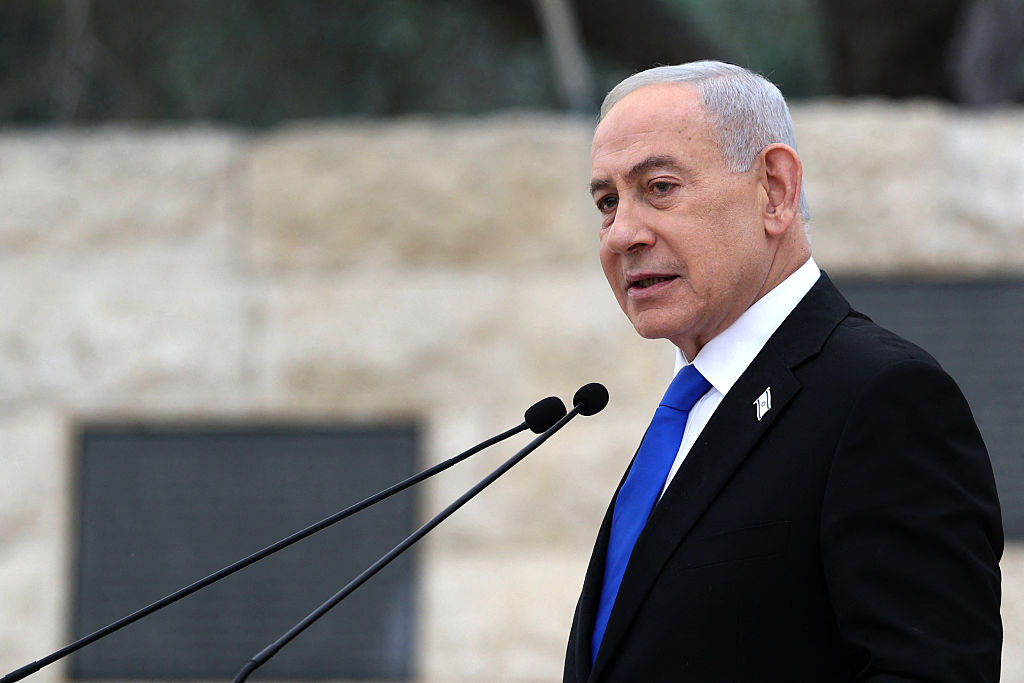
Israel's Prime Minister Benjamin Netanyahu speaks during a ceremony commemorating Israel's Remembrance Day for fallen soldiers, or Yom HaZikaron, at the Military Cemetery on Mount Herzl in Jerusalem on April 21, 2026. —Ilia Yefimovich—Pool/AFP/Getty Images

Israeli Prime Minister Benjamin Netanyahu said on Friday that he was recently diagnosed with and treated for prostate cancer, and has since made a full recovery.

Netanyahu’s announcement on X came the same day that his annual medical report was released to the public. The Prime Minister said that he “requested to delay its publication by two months so that it would not be released at the height of the war, in order not to allow the Iranian terror regime to spread even more false propaganda against Israel.” The U.S. and Iran are in the midst of a tenuous ceasefire, backed by Israel, in the war that began with Israeli and American forces striking Iran on Feb. 28. Israel and Lebanon also reached—and extended—a temporary ceasefire deal after weeks of Israeli attacks targeting the Iran-backed militant group Hezbollah amid the conflict.

Netanyahu, 76, said on Friday he wanted to share that he is healthy and “in excellent physical condition,” but that he “had a minor medical issue with my prostate that was completely treated.”

“A year and a half ago, I underwent successful surgery for an enlarged benign prostate, and since then I have been under routine medical monitoring,” Netanyahu said. “In the last monitoring, a tiny spot of less than a centimeter was discovered in the prostate. Upon examination, it turned out to be a very early stage of a malignant tumor, with no spread or metastases whatsoever.”

His doctors told him that he had two options, he said: not undergo treatment but continue monitoring the spot, or undergo treatment.

“You already know me,” Netanyahu said. “When I’m given information in time about a potential danger, I want to address it immediately. This is true on the national level and also on the personal level. That’s what I did.”

The Prime Minister said he “underwent targeted treatment that removed the problem and left no trace of it.” He thanked his doctors and medical team, and urged his constituents to “take care of your health.”

“The spot disappeared completely,” he said. “Thank God, I overcame this too.”

© Ilia Yefimovich—Pool/AFP/Getty Images

Israel's Prime Minister Benjamin Netanyahu speaks during a ceremony commemorating Israel's Remembrance Day for fallen soldiers, or Yom HaZikaron, at the Military Cemetery on Mount Herzl in Jerusalem on April 21, 2026.
  •  

Is the U.S. Trying to Suspend Spain From NATO? Sánchez Addresses Reported Pentagon Email

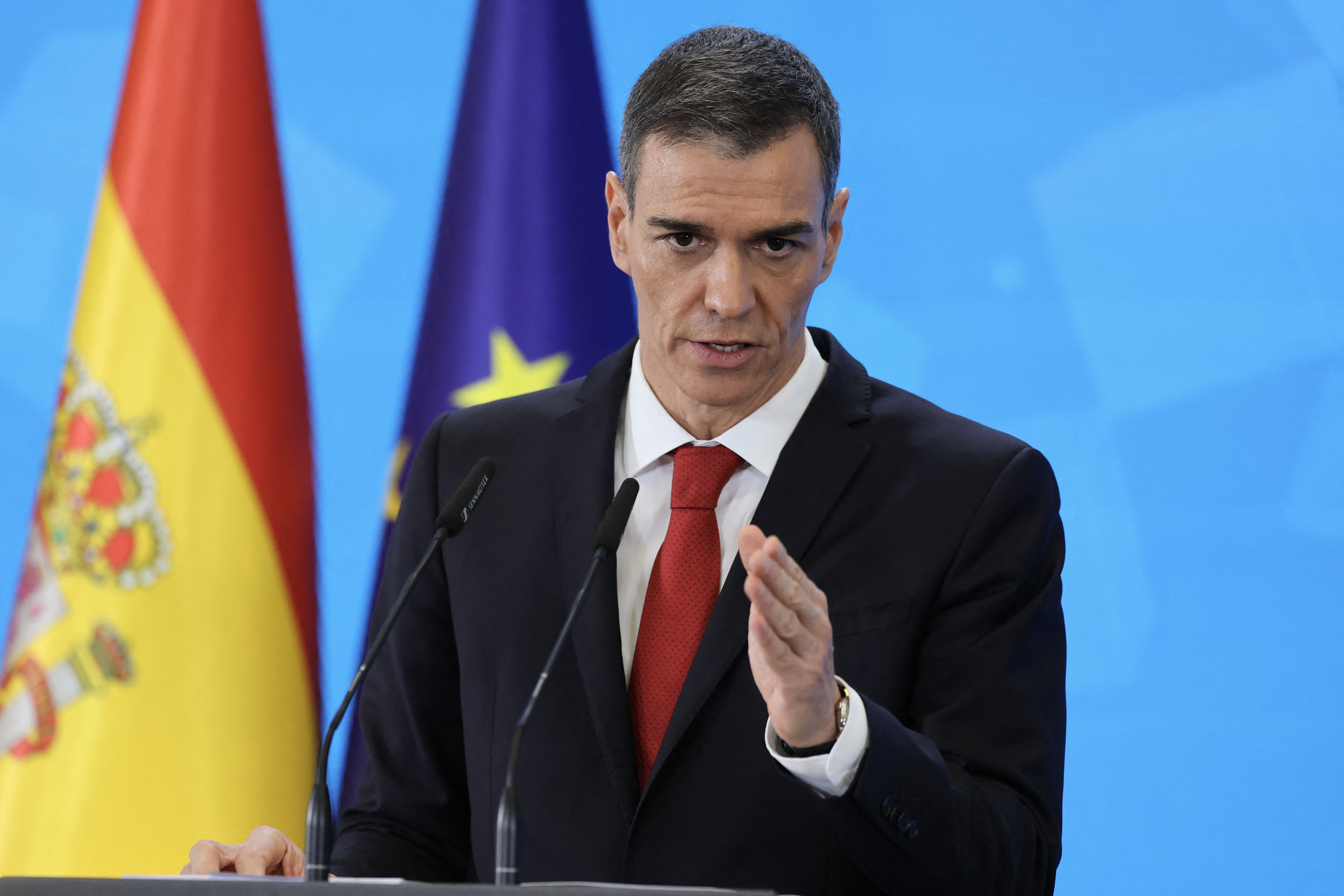
Spain's Prime Minister Pedro Sanchez during a press conference at the Moncloa Palace in Madrid on Dec. 15, 2025. —Thomas Coex—Getty Images

Spanish Prime Minister Pedro Sánchez dismissed reports that the U.S. is floating the idea of suspending Spain from the NATO alliance.

An internal Pentagon email reportedly suggested various ways the Administration could punish NATO allies it believes let the U.S. down by not actively supporting operations in the Iran war, according to Reuters.

"We do not work with emails," Sánchez told reporters when asked about the matter at the European Union summit in Cyprus on Friday. "We work with official documents and positions taken, in this case, by the government of the United States."

Reaffirming Spain’s opposition to the Iran war, which he has repeatedly referred to as “illegal,” Sánchez added: "The position of the government of Spain is clear: absolute collaboration with the allies, but always within the framework of international legality.”

NATO, meanwhile, has said there are no provisions to expel members.

“NATO’s Founding Treaty does not foresee any provision for suspension of NATO membership, or expulsion,” a NATO official told TIME.

TIME has reached out to the Pentagon for comment.

Since the start of the Iran war, Spain has been among the most vocal European critics, accusing the U.S. of dragging the world into a conflict that has brought nothing but “insecurity and pain.”

Spain denied the U.S. permission to use jointly-operated bases to attack Iran and went on to close its airspace to U.S. planes involved in the conflict.

Months earlier, Spain resisted Trump’s calls for all NATO members to increase defense spending to 5% of GDP.

Spain’s opposition to the conflict in the Middle East, and its defiance to heed Trump’s calls for support from NATO allies, has prompted strong rebuke from the U.S. President.

“Spain has been terrible. I told Scott [Bessent, Treasury Secretary] to cut off all dealings with Spain,” Trump warned in March, threatening economic repercussions. “We’re going to cut off all trade with Spain. We don’t want anything to do with Spain.”

And it’s not only Spain that has incurred the wrath of Trump, as he has also made threats against the United Kingdom, with relations between the once-close allies now strained amid the Iran war.

The discussed Pentagon email reportedly suggests reviewing the U.S. position on Britain’s claim to the Falkland Islands, as well as removing “difficult” allies from key NATO roles and positions.

Trump’s tensions with NATO have been years in the making, as he was critical of the alliance throughout his first term.

Last month, Trump warned NATO allies of a “very bad” future should they not help secure the Strait of Hormuz. European countries responded to Trump with caution and resistance, declining to send warships to the vital trade waterway.

Shortly after, Trump said he was strongly considering pulling the U.S. out of the alliance, insisting they had failed his “test” when asked to assist the U.S.

Experts told TIME that although Trump could explore a select few avenues to pursue leaving NATO, the legalities involved would be murky, at best. 

But the mere suggestion of the U.S. leaving NATO has caused a lot of damage, they added.

“The very idea of a U.S. exit erodes trust, cohesion, and the credibility of collective defense,” Ilaria Di Gioia, a senior lecturer in American law at Birmingham City University, told TIME. 

“Trump’s repeated questioning of the alliance weakens deterrence, shakes European security planning, and emboldens adversaries.”

© Thomas Coex—Getty Images

Spain's Prime Minister Pedro Sanchez during a press conference at the Moncloa Palace in Madrid on Dec. 15, 2025.
  •