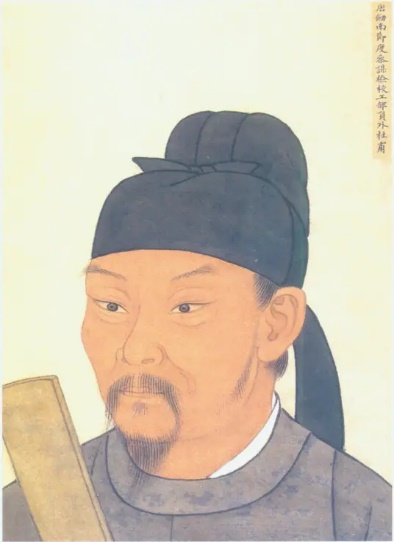
By Du Fu A nice rain knows when to fall, Coming as a natural product of the spring. Following the wind, it smoothly occupies the night And moistens everything with soft and silent blessings. Dark are the clouds above every country road; There is only one light coming from a slowly moving boat. In the morning I shall see many red and wet patches Of full and heavy flowers everywhere in the City of Brocade.
第一,情感内核直击原诗主旨,“喜”意鲜明。译本标题直接用Pleased with Rain 点明情感基调,句中也处处渗透这份欣喜:“润物细无声”译为 moistens everything with soft and silent blessings,用 blessings(恩泽)替代单纯的“滋养”,既契合春雨滋养万物的特质,又暗含诗人对这场好雨的珍视与赞美,把“喜”的情感藏于字里行间,比直译更有温度。
第二,文化意象传递准确,地域辨识度高。成都的别称是锦官城,洪业把“锦官城”译为City of Brocade,强化了地域的正式感。“花重锦官城”的“重”字是诗眼,既指花朵沾雨的沉重饱满,也喻指花开繁盛。译本用full and heavy直接对应,精准还原了花朵雨后的质感。
第三,细节意象的细腻化处理。“随风潜入夜”的“潜”字,译为smoothly occupies,突出了春雨的柔和舒缓;“晓看红湿处”译为many red and wet patches,精准描绘出雨后花丛一片片湿润泛红的细腻画面。
Happy Rain on a Spring Night By Du Fu The fine rain knows its fine season so well. It timely arrives at vernal nightfall. While tiptoeing on the trail of spring breeze, And it moistens everything in silence.
All the dark clouds hang above the wild fields, Only a lantern stars the river boats. The dewy flowers start to bloom at dawn, Their heavy red adorns my Brocaded Town.
词汇灵动传神,赋予原诗意象新的文学美感。“随风潜入夜”的“潜”译为 tiptoeing(踮着脚尖走),比 steal或slip 更细腻地凸显了春雨的轻盈、蹑足而行的姿态,将“潜”的含蓄灵动具象化,画面感十足。“江船火独明”的“火独明”译为 a lantern stars the river boats,将stars 用作动词,意为“像星星般点亮、点缀”,把暗夜江船的灯火比作星辰,既传递了“独明”的醒目,又增添了浪漫的诗意。
首先,部分意象与原诗存在偏差,细节增补过度。如首联“好雨知时节,当春乃发生”译为It timely arrives at vernal nightfall,添加了 nightfall(日暮)这一细节,原诗并未限定春雨降临的具体时段是“日暮”,仅强调“当春”,这一增补缩小了原诗的时间意象,与原意略有出入。颈联“野径云俱黑”译为All the dark clouds hang above the wild fields,将“野径”(wild paths,乡间小路)替换为wild fields(田野),场景意象发生偏差——原诗“野径”的狭窄、朦胧感,与“云俱黑”搭配更显雨夜的幽深,而“田野”的开阔感则弱化了这种意境。“江船火独明”译为river boats(复数),原诗的“江船”侧重“孤舟灯火”的孤独感,复数形式弱化了“独”的核心意象,与“独明”的表意相悖。
其次,个别措辞稍显刻意,弱化了原诗的自然感。“随风潜入夜”的on the trail of spring breeze 表述稍显生硬,trail(踪迹)带有“追寻踪迹”的意味,与“随风”的自然随性不符。tiptoeing on the trail的搭配也略显刻意,不如with the wind简洁自然。首句The fine rain knows its fine season so well中叠用fine,虽强调了春雨的“好”和时节的“宜”,但语言略显冗余,不如A good rain knows its proper time更凝练。
意美:以极简的词汇传递原诗的核心意境,无冗余修饰,却字字精准,比如“随风潜入夜”译为 With wind it steals in night,一个steals精准复刻春雨“悄无声息、轻盈潜入”的灵动;“润物细无声”译为 Mute, it moistens each thing。这里“mute”比“silent”更凝练,凸显春雨静默滋养的特质。
第二,语言凝练,对仗工整,复刻原诗的对偶美学。原诗是五言律诗,语言凝练、一字千金,许译也以短句、小词呼应这一特质,摒弃了冗余的连接词和修饰语,还原五言诗的简洁风骨。原诗颈联“野径云俱黑,江船火独明”是经典对偶句,许译 O’er wild lanes dark cloud spreads; In boat a lantern looms 也以结构对称的句式还原对偶之美:前句写“野径云黑”的苍茫,后句写“江船灯明”的醒目,动词spreads(弥漫)与 looms(隐约闪现)形成动静对比,画面张力十足,比洪业译本的“slowly moving boat”更贴合原诗的静态对偶逻辑。
其次是个别句式为求格律,略显生硬。为了贴合韵脚和句式对称,许译在语法上做了一些倒装处理,部分句子对普通英语读者来说稍显拗口:It will fall when comes spring 是典型的倒装句,正常语序应为 It will fall when spring comes,倒装虽能缩短句式、契合韵脚,但牺牲了流畅性。With wind it steals in night省略了介词into,完整表达应为With wind it steals into the night,省略虽让句子更凝练,但略显突兀。此外,“花重锦官城”的“重”译为heavy with blooms,传递了花朵因沾雨而沉重的特质,但缺少湿透的细节,对“湿”的质感刻画稍显不足。
在词汇的文学化处理和情感的主观投射上我下了功夫,如用“knows its proper time”强化雨的“灵性”。以“breath”喻春风、“chime” 暗合“应时而至”的韵律感。颔联“潛入夜”译为“steals the night”,将“潜”的幽微动态转化为英文诗歌中常见的拟人化意象,“Mute, moistening all things so light”文字简洁,是点睛之笔,替代洪业译的“silent and gentle”,以“light”双关“轻柔”与“无声”,更添隽永。“花重锦官城”,我用了“the Brocaded City”并大写,凸显了成都作为蜀锦之城的庄重,并以“fresh and new”收尾,既呼应原诗“喜”的悠然心境,又避免了直译地名带来的文化隔阂,生动体现繁花压得城郭仿佛“俯首”的新鲜画面感。让英文读者瞬间领会这一雨后新盛景。

 登录
登录