普通视图

Received yesterday — 2026年4月25日

What Michael Jackson’s Cultural Dominance Says About Us
2026年4月25日 05:29
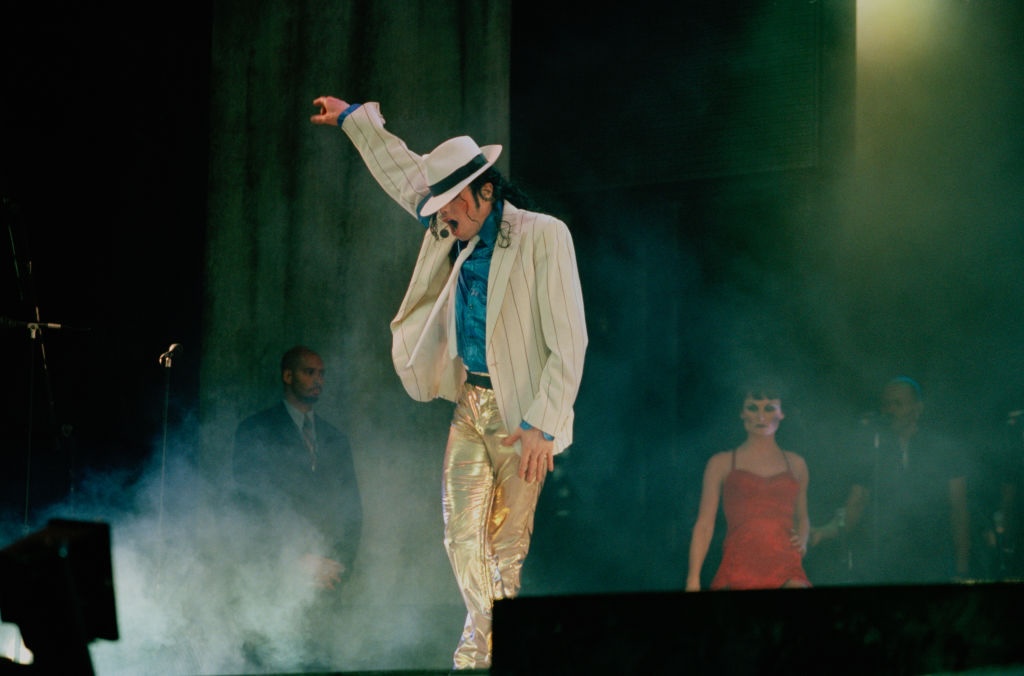
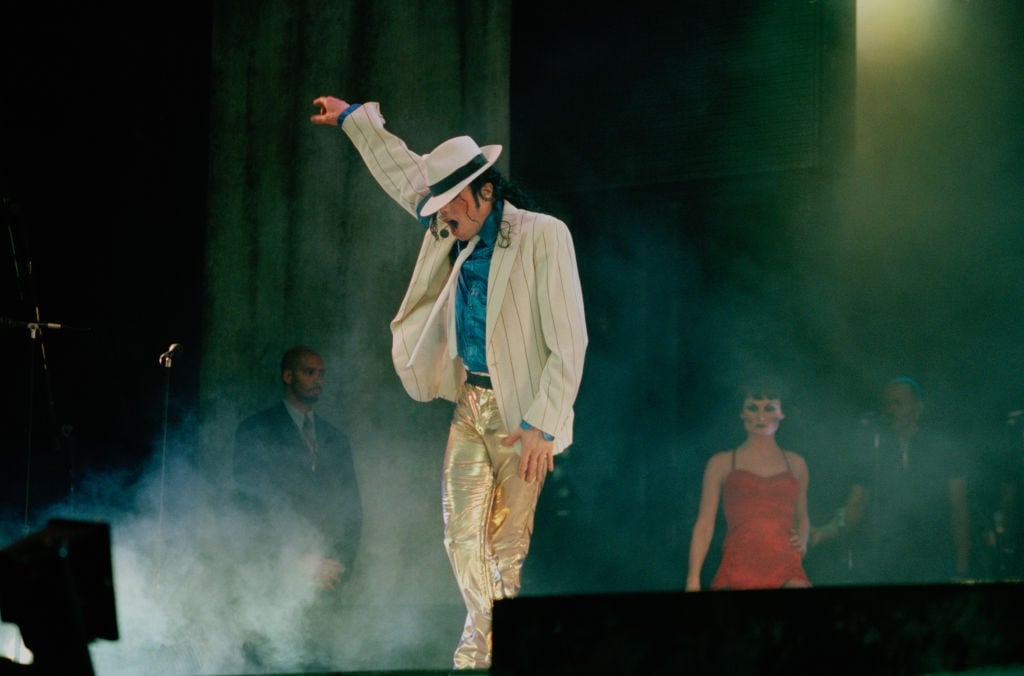
Michael Jackson —Courtesy of Getty Images

Last November, when Lionsgate dropped the trailer, just over a minute long, for the long-awaited biopic Michael, it got more than 116 million views the first 24 hours—more traffic than Taylor Swift: The Eras Tour (96.1 million), more than Bohemian Rhapsody (57.6 million), and more than the Bob Dylan biopic A Complete Unknown (47.2 million). People from Chicago to Tokyo to Johannesburg started plotting what to wear to the 0lm’s opening and the parties to celebrate it—maybe a bejeweled glove or a red leather jacket. On TikTok, fans offered “ground rules” for the occasion. But the trailer also triggered debate: Could a single film distill the story of one of the world’s most complex and consequential artists? Which Michael Jackson would Michael resurrect—the glorious mythical icon, the wounded man, or both? Would the film, starring Jackson’s nephew, sanitize the controversies that have plagued the King of Pop for more than a quarter century? The conversations reflected something deep and global: the degree to which Michael Jackson remains an extraordinarily relevant cultural phenomenon more than 15 years after his death. There are, of course, what feels like a gazillion films, documentaries, and interviews about the King of Pop, but not yet a definitive biopic that reflects his place in our cultural memory. The truth is, for someone whose career began more than 50 years ago, Michael Jackson has never felt more present.

Consider this: Michael reached his peak a generation before social media’s AI-driven amplification could literally manufacture fame out of the mediocre. In today’s crowded media ecosystem, it’s hard to imagine an artist whose raw talent alone could break through at that scale. To understand why, you have to zoom out. It’s hard to describe Michael Jackson’s cultural legacy in full, because it’s endless and unmatched. But let’s start here: He provided, indisputably, the original blueprint for the modern celebrity artist. Elvis helped give birth to American pop music. The Beatles elevated rock. But Michael industrialized the package, fusing music, dance, style, and branding. His template guides Beyoncé and Taylor Swift, and will likely inform every aspiring cross-genre juggernaut for generations. On the commercial front, Michael pioneered the modern artist-as-enterprise model. He sold more than 400 million records, easily making him one of history’s most successful solo artists. More than four decades after its release in 1982, Thriller remains the best-selling album of all time and by some estimates has reached 100 million copies globally. He was a savvy investor (and also a world-class spendthrift), buying ATV Music Publishing, later merged into Sony/ATV, which controlled some of music’s most valuable catalogs, including works by the Beatles, Elvis, and Little Richard.

From the Great Mausoleum in Glendale, California, Michael continues to outearn hundreds of thousands of living artists. His estate is estimated to have generated as much as $3.5 billion since 2009. On Spotify, he has surpassed 60 million monthly listeners. On many nights each week, crowds line up to see MJ: The Musical in New York, London, and Hamburg, with touring productions traveling through the U.S. and Australia—an Asian tour is planned for late 2026, the U.K. in 2027. Meanwhile, in Las Vegas, Cirque du Soleil’s Michael Jackson ONE has run since 2013 and is extended through 2030, a very big deal in a city where residencies often drift in a few seasons. All of this helps to explain why Michael’s biopic lands with such force. The truth is, Michael isn’t just tapping into nostalgia. It’s meeting an audience that never really let him go.
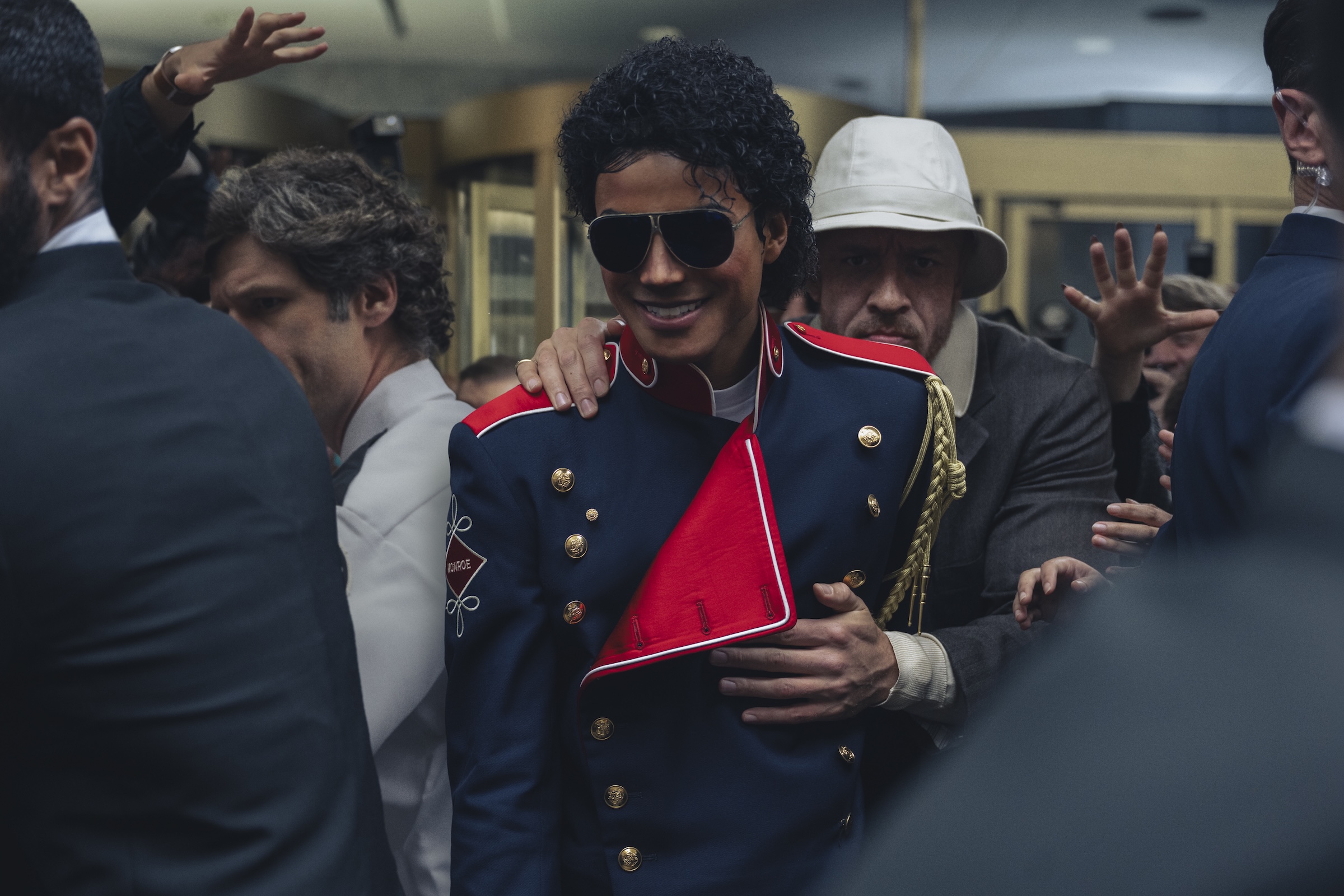
Michael —Courtesy of Lionsgate

An American origin story

An assessment of Michael Jackson’s life starts with a familiar American story—one rooted in the Great Migration, when many Black families carried their hopes northward in search of dignity and steadier work. Michael’s father, Joseph, was born in Arkansas, met his wife, Katherine, in East Chicago in 1949, and in 1950 the couple set out for Gary, Indiana, where Joe found a job and set aside his own music ambitions to catapult his sons into the limelight. At first, the Jackson 5 performed in community shows in northern Indiana, and then on amateur show circuits from Chicago to Harlem. Joe drilled into his sons a disciplined, nearly militaristic pursuit of perfectionism, because the stakes were high: Black kids had to be twice as good to succeed.

So the Jackson 5 embodied that aspiration: polished, electrifying, tight, and still soulful. They also personified Motown’s “Sound of Young Amer-ica” strategy, which used pop-soul as a subversive racial integration tool. Black families across America felt a collective pride. My mom still talks about the night she trailed her older sister into a Jackson 5 concert in New Orleans, swept up in the miracle of seeing young men who gloriously looked like them commanding a stage in a country that insisted it wasn’t theirs. By the early 1970s, as a young teen, Michael had become the group’s undeniable star. It was his rare combination of innocence and command of pitch, dynamics, and tone that convinced Motown’s founder, Berry Gordy, to launch him into solo recordings with “Got to Be There.” But it was Off the Wall, produced by Quincy Jones in 1979, that unlocked Michael’s genius. The album delivered some of his most powerful, captivating songs, and on the tour and videos that followed, Jackson was the ultimate showman. Steeped in Motown’s soulful elegance, sharpened by Jones’ precision, and driven by instinct, Jackson fused funk, R&B, rock, gospel, and dance into something unmistakably American and Black—and yet a funhouse-mirror version of Michael Jackson, a distorted silhouette so vivid it began to overshadow the man himself.

The accusations against Michael Jackson 

“International furor stirred by allegations on Jackson,” read an August 1993 Los Angeles Times headline. A therapist hired by the parents of 13-year-old Jordan Chandler had told police the boy had been molested by Michael Jackson. Police raided Jackson’s Southern California homes, including the Neverland ranch north of Los Angeles, while he was on the Asian leg of his Dangerous World Tour. As the investigation deepened, the news coverage became more grotesque, sending Michael into a medical tailspin. In November, he abruptly canceled the rest of the Dangerous Tour, citing exhaustion and addiction to painkillers, and went to Europe to recover.

In January, he came back to the U.S. and settled with the Chandlers for a reported $23 million without admitting wrongdoing. In May 1994, he suddenly married Lisa Marie Presley in the Dominican Republic. That September, the newlyweds appeared on stage together at the MTV Video Music Awards and, in the cringiest of moments, kissed. It registered less as romance than tableau. America, after all, loves the illusion of redemption—until we don’t. Lisa Marie’s own mother, Priscilla Presley, observed in her memoir: “He married her at a time when he desperately needed good publicity that depicted him as a desirable heterosexual man. It was one thing to legally fight the child molestation charges against him. There was no way to come out of that looking good. But photos of him with Elvis’s daughter wearing that huge diamond engagement ring he’d had made for her? That image was pure gold.” By the end of 1996, the King of Pop and the Princess of Rock and Roll were divorced.

Michael’s transformation continued with the birth of his children, Prince Michael in 1997, Paris in 1998, and Bigi (formerly Blanket) in 2002. Being a father helped humanize the singer in the eyes of the public, which reacted positively to media coverage of him as a doting, protective dad, not just an eccentric pop star—even if some of Jackson’s parenting methods were considered unconventional (such as making the children wear face masks when they were young). Yet as his family grew, there were more allegations about inappropriate contact with children. In one case in 2000, criminal charges were filed, leading to a trial in which Jackson was acquitted.

Michael Jackson’s shocking death

The news of Michael Jackson’s death broke on an ordinary afternoon, June 25, 2009. It arrived like a blow—sudden and hard to believe, like an online hoax. TMZ posted the story around 2:45 p.m., less than 20 minutes after Jackson was pronounced dead and before major traditional news outlets confirmed it. The internet convulsed—numerous edits to Jackson’s Wikipedia page overwhelmed the site—as millions of us reached for something to explain our loss. America, and the world, had built Jackson into a mythical, immortal creature. Now, the dream collapsed. We soon learned the complicated truth.

Michael had been in deep rehearsals for a monumental return to the stage—This Is It a 50-show series in London, designed to prove that he could rise above not only the scandals but also the standard we’d come to expect from him. In rehearsal video footage, Jackson’s talent remained astonishingly intact, even as his body visibly told another story: restless and fragile, with signs of a man stretched thin by insomnia and his own perfectionism. Into that vulnerable space stepped Conrad Murray, a physician who forgot his oath. Jackson hired Murray as his personal physician.

Murray would later testify that for several weeks during the grueling rehearsals, he provided Jackson with propofol—a powerful anesthetic often used in medical procedures—to help him sleep. In the early-morning hours of June 25, Jackson was in a rented Los Angeles mansion. Murray gave him a series of sedatives and, ultimately, propofol. Then, in the late morning, Murray left Jackson alone. When Murray returned to the house, he found Jackson unresponsive. Paramedics and detectives arrived and found an oxygen tank, prescription bottles, disposable needles, orange juice, and latex gloves. Jackson was taken to a hospital and pronounced dead. Autopsy and police reports noted that Jackson, then 50 years old and 5 feet 9 inches tall, weighed just 136 pounds. He wore a wig. His lips had been tattooed pink. Three weeks later, about 31 million people watched Jackson’s memorial service on U.S. television—slightly fewer than the number who had watched Barack Obama’s inauguration six months earlier. It’s estimated that a billion people tuned into the service globally, online and on television. We mourned not only the performer but also to reconcile the enormity of his life and the starkness of its ending.

Read more: TIME Special Edition — Michael Jackson: His Music. His Life. His Legacy

Murray was convicted of involuntary manslaughter. Jackson’s family searched for legal accountability. And as the details of his case emerged, the presence of over-prescriptions pointed the story toward what was, at least in the realm of music celebrity, familiar territory. Regardless of wealth, fame, or influence, each individual, in the end, is mortal. Michael’s passing was a reminder of the pressure we place on our brightest talents, and that even the most extraordinary lives are fragile. In that recognition, we find the shape of the tragedy: a man elevated beyond measure, and a society that failed to keep him safe. His death was negligence, but it was also a failure to see the human beneath the icon.

Michael Jackson’s persistent dominance reveals something about us. We’re drawn to complexity until it gets too uncomfortable and asks us to sit with it. We reward simplicity, clear heroes and villains, clean story endings. Jackson’s story is anything but tidy. In parts of the world, contradiction is survivable; an artist can be luminous and flawed in the same breath. In America, we tend to expect a verdict. We live in an algorithmic age that delivers culture and outrage in silos calibrated for super specific tribes. Jackson, even in death, refuses to stay in a single box because he built something very hard to digitally manufacture: a shared pulse—the kind you hear on street corners, at wedding receptions, at bar—where any of us can, for a moment, look up from our feeds and Beat It.

That, really, is why Michael matters now. We may not all agree on which Michael we love or which version of him we’re willing to confront. But that tension—between communion and discomfort—isn’t a problem for his legacy. It’s the reason we can’t stop celebrating his brilliance.
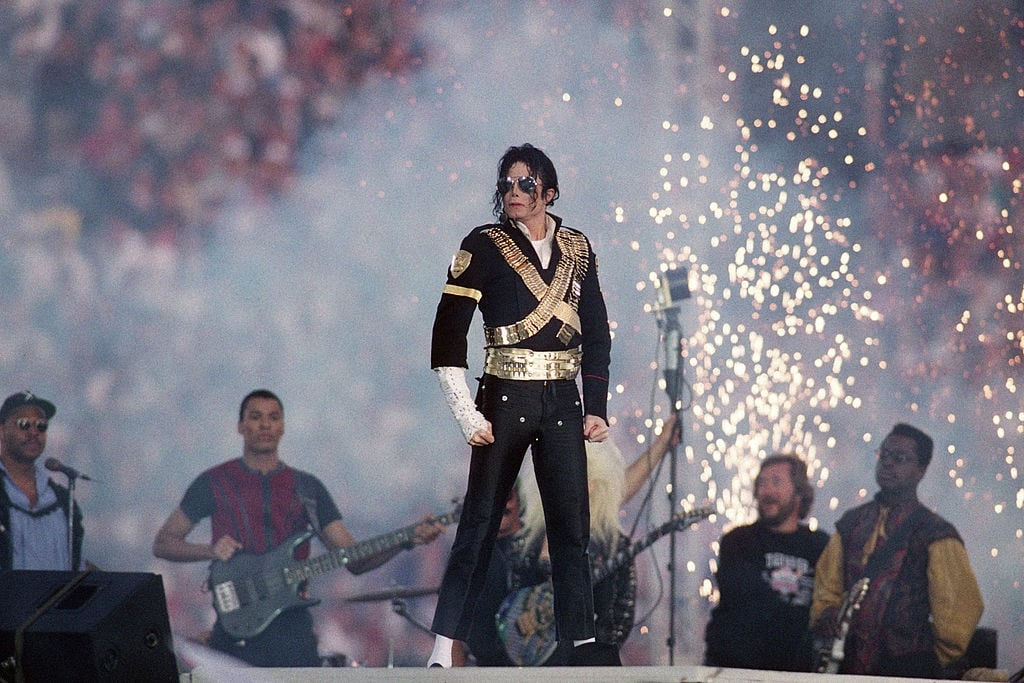
© Courtesy of Getty Images

Michael Jackson

Breaking Down the Ending of Horror K-Drama If Wishes Could Kill

2026年4月25日 05:13
If Wishes Could Kill —Courtesy of Netflix

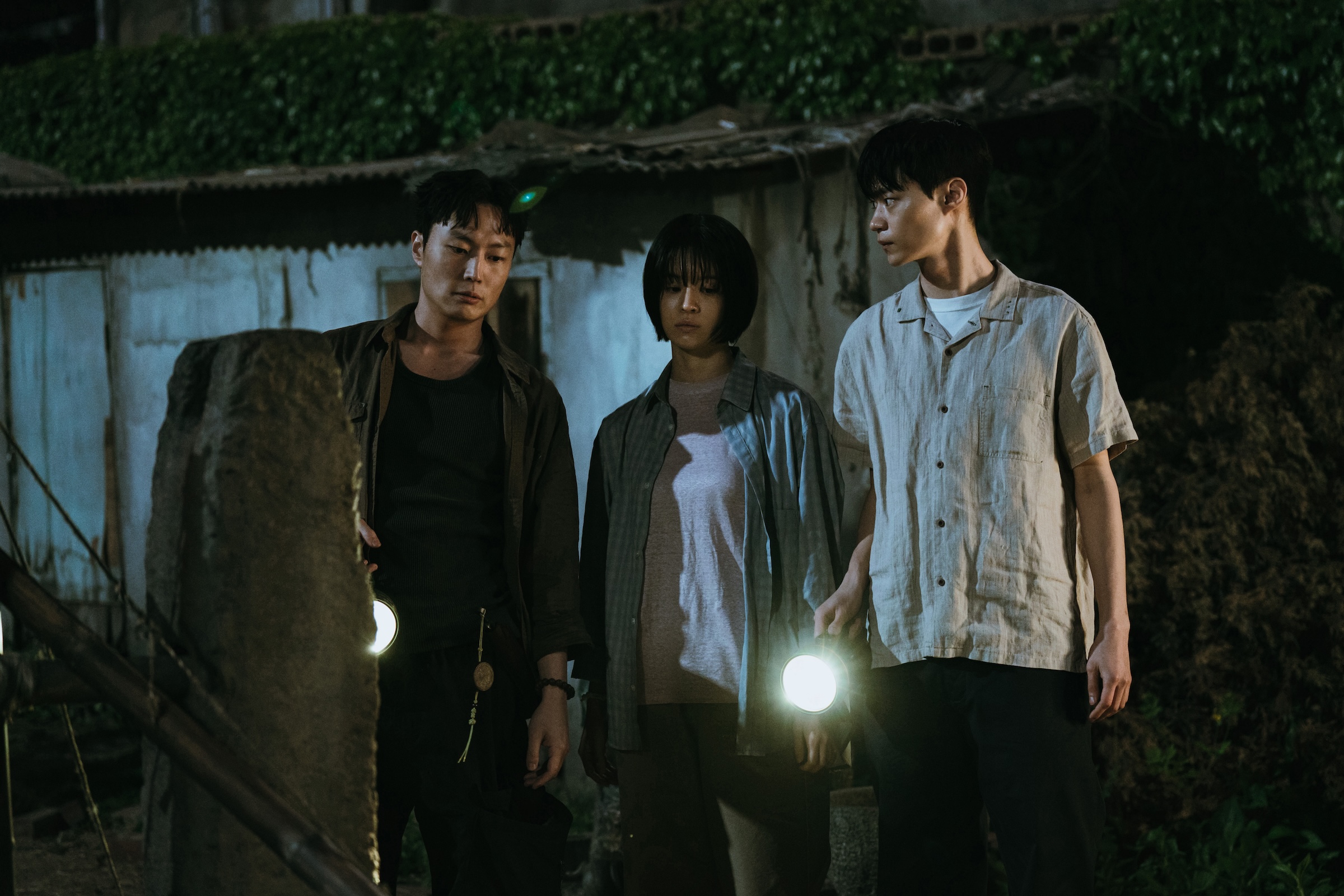
In the past few decades, South Korea became globally known for stylish and eerie horror stories through movies like A Tale of Two Sisters, The Wailing, and Whispering Corridors. But horror has not been quite as integral an element in the success of Korean dramas. While series like zombie horror All of Us Are Dead or monster drama Sweet Home have found massive success, there has yet to be an occult K-drama that truly breaks through. If Wishes Could Kill, with its clever mix of teen drama, tech horror, and occult mystery, stands to break the curse. The reimagining of an age-old ghost story is an intriguing blend of Korean folk tradition and modern tech anxieties that keeps viewers guessing until the very end. 

How does Girigo’s curse work?

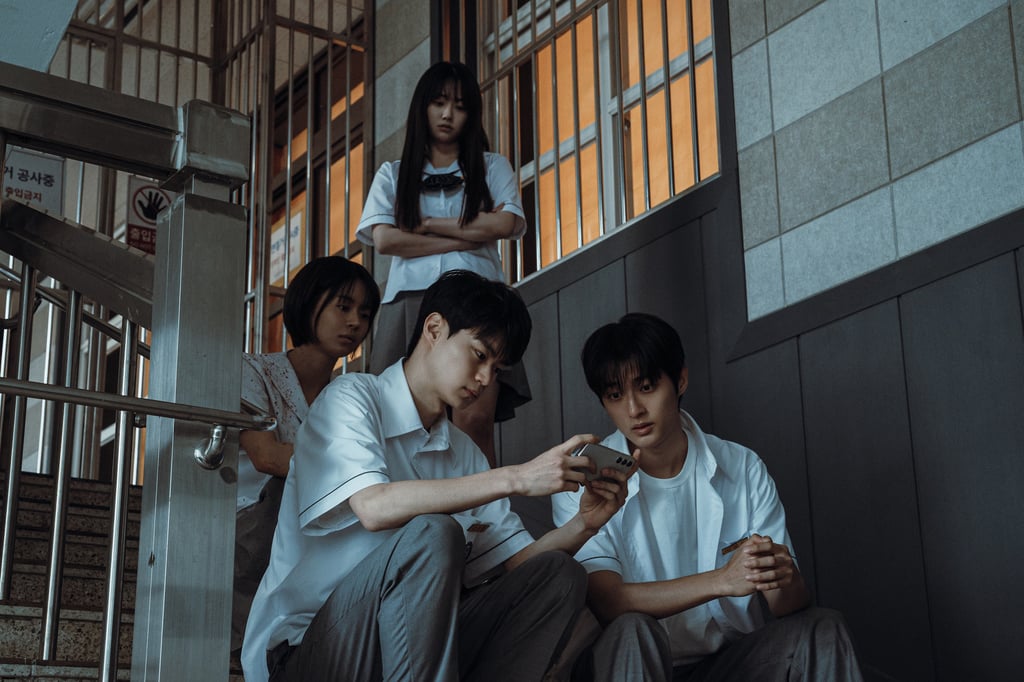
If Wishes Could Kill is an eight-episode K-drama about a group of school friends who get mixed up with a deadly app. The app, called Girigo, grants wishes. All someone has to do is submit a recorded video of him or herself making their wish with their name and birthdate visible, and their wish will be granted. But, as is often the case with these kinds of monkey’s paws, the granting of a wish comes at a great cost—the wishmaker’s life. Once someone’s wish is granted, a 24-hour countdown on the app will start. Once it hits zero, the wishtaker will die.

When class clown Hyeon-wook (Lee Hyo-je) uses the app to wish for a perfect score on his next math test, he is ignorant of the cost. When he aces the test, he happily tells friends Se-ah (Jeon So-young), Geon-woo (Baek Sun-ho), Na-ri (Kang Mi-na), and Ha-joon (Hyun Woo-seok) about Girigo, sending them a link to what he thinks is a godsend. They don’t take the app seriously, until Hyeon-wook cuts his own throat in front of their class, seemingly driven by an unseen force.   

Over the course of the series, the surviving friends learn more about the rules of the curse, including that a wishmaker’s countdown will stop once someone else makes a wish. In this way, Girigo has a kind of chain letter logic—you can evade the negative consequences of the curse by convincing someone else to make a wish. Also, only those who have made a wish can see the ghosts that drive the curse. Because of this, they are vulnerable to tricks, including receiving texts and calls designed to convince them their loved ones are talking behind their backs. 

All of the wishes made in If Wishes Could Kill

By the time Hyeon-wook dies, two other members of the friend group have already made their own wishes. Geon-woo, who has just started dating Se-ah, wishes that Se-ah’s weekend track training will get canceled so that she can attend Hyeon-wook’s birthday party. And Na-ri, unbeknownst to the rest of her friend group, drunkenly wishes for the deaths of Hyeon-wook and an older friend she parties with named Dong-jae, both of whom are currently annoying her. Na-ri’s countdown stops when Geon-woo makes his wish.

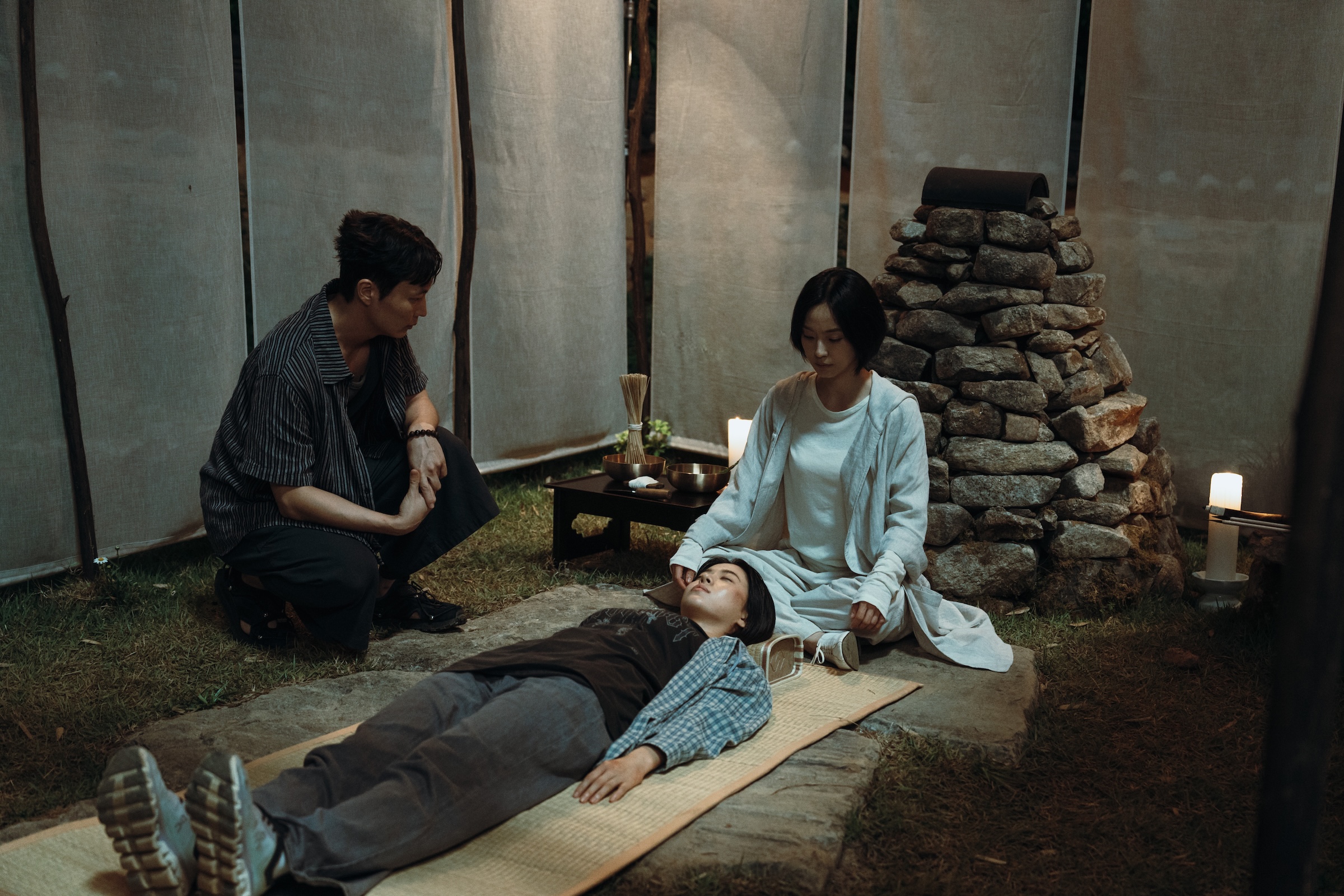
Later, with Geon-woo facing seemingly certain death, Se-ah makes a wish to save her boyfriend, which starts her own countdown. With time running out, Se-ah travels with Ha-joon to visit Ha-joon’s older sister, Ha-sal (Jeon So-nee), who is a powerful shaman. Ha-sal lives in the countryside with her boyfriend and fellow shaman Bang Ui (Roh Jae-won). 

What is Korean shamanism?

If Wishes Could Kill draws much of its cultural detail from the tradition of Korean shamanism, or mu-sok, a religion indigenous to the Korean peninsula. In this belief system, ancestral spirits have an influence on our lives, causing humans good or bad fortune. Korean shamans, or mu-dang, act as a bridge between the spirit world and the mortal world, and use this ability to help clients with a diverse scope of needs, including healing, protection, solving specific problems, or more generally for bringing good fortune or avoiding misfortune. Most Korean shamans are women. It is relatively common for Korean people to visit shamans, even if they are part of an organized religion or do not consider themselves religious.  

Shamans have always been a part of life in Korea, but they have faced some prejudice and stigma in modern society. That being said, shamans are currently experiencing a moment in Korean pop culture that recontextualizes mu-dang as hip. There have been several recent reality competition shows featuring Korean shamans, including 2026’s Battle of the Fates on Disney+. In 2024, horror film Exhuma—which is about a group of shamans working to quell a violent and vengeful spirit—became a breakout hit in Korea and internationally. If Wishes Could Kill represents shamanism in a similar way to Exhuma, depicting its shaman characters as low-key warriors capable of great sacrifice and power.

'If Wishes Could Kill' —Courtesy of Netflix

Who are Kim Si-won and Do Hye-rung?

The Girigo app has its origins in a tragedy that took place at the protagonists’ school a few years prior to their enrollment. A student, Kim Si-won was the daughter of a local shaman. Ashamed of her mother’s calling and blaming her for the death of her father, Si-won preferred to sleep in an abandoned warehouse rather than at home. The only person at school who knew the truth about Si-won’s mother was her good friend Do Hye-rung (Kim Si-ah).

Si-won was also a tech genius, and worked an app coding challenge with some of the most popular kids in school, including Hye-rung’s crush Gi-tae. When one of the group suggested a wish-making app that incorporates shamanism, Si-won went along with it, desperate to stop discussing anything that could expose her relationship to her “quack” mother. 

Meanwhile, a well-meaning Hye-rung was one of the only people in touch with Si-won’s mom, who has developed an alcohol dependence. When Si-won discovered this, she was furious. She launched her app, sending a video of Hye-rung wishing for Gi-tae to fall in love with her all over school. When Gi-tae found out, he ridiculed and physically assaulted Hye-rung, at Si-won’s request. 

A humiliated Hye-rung used the app to wish death on Si-won and Gi-tae before killing herself. The wish worked. But before she died, Si-won made her own blood-soaked wish, giving a terrible, ongoing power to the Girigo app. It is the spirit of Si-won that drives the malevolence of the app, though Hye-rung is also trapped by the curse’s power. 

'If Wishes Could Kill' —Courtesy of Netflix

If Wishes Could Kill ending explained

In the final episode of If Wishes Could Kill, Se-ah and Ha-sal go into the spirit world to break the curse once and for all. While Ha-sal holds off the spirit of Si-won, Se-ah looks for Si-won’s phone. According to Ha-sal, they must destroy the phone in order to break the curse. Unfortunately, Se-ah’s task is made harder by Na-ri.

In one of the great tragedies of the series, Na-ri turns against her friends. Guilt-ridden about Hyeon-wook’s death and tricked into thinking her friends didn’t care whether she lived or died by Si-won, Na-ri becomes one of the series’ antagonists. Though Na-ri is possessed by Si-won at points, she ultimately chooses of her own free will to try to kill Se-ah. Se-ah must fight Na-ri off again in the spirit world, killing her in self-defense. After taking down her former friend, Se-ah finds Si-won’s phone and destroys it with one of Ha-sal’s arrows. The curse is broken, and Si-won and Hye-rung finally seem able to move on.

While it isn’t a happy ending, given the deaths of Hyeon-wook and Na-ri, the series wraps up with Se-ah, Geon-woo, and Ha-joon still alive. Bang Ui, who was gravely injured while trying to protect the teens from vengeful spirits, also makes it to the end of the series alive. He and Ha-sal have the teens over to dinner, and for a ceremony for Hyeon-wook’s peaceful passing into the next world. 

If Wishes Could Kill Season 2

The ending of If Wishes Could Kill leaves the door open for another installment of this series, either with the same characters or with a new set of characters. In the series’ epilogue, Hyeon-wook’s Discord friend, who was the person to originally tell him about Girigo, seeks out Na-ri’s abandoned phone on the school campus. He is led to the phone by a mysterious contact on Discord, who also has the passcode for the phone. When he unlocks Na-ri’s phone, the app is still installed, implying it could be used again. 

It’s not clear who the person on the other side of the Discord message is, but it’s possible the messages are being sent by the spirit of Na-ri. Not only would she know where she left her phone and the phone’s password, but she also has a bone to pick with her friends, whom she sees as having betrayed her. We know that the Girigo curse cannot work without someone’s bloody wish at the heart of it; could Na-ri have started a new iteration of the curse before she died?

© Courtesy of Netflix

If Wishes Could Kill

There Is No Redemption Arc in the Real Michael Jackson Story

2026年4月25日 04:26
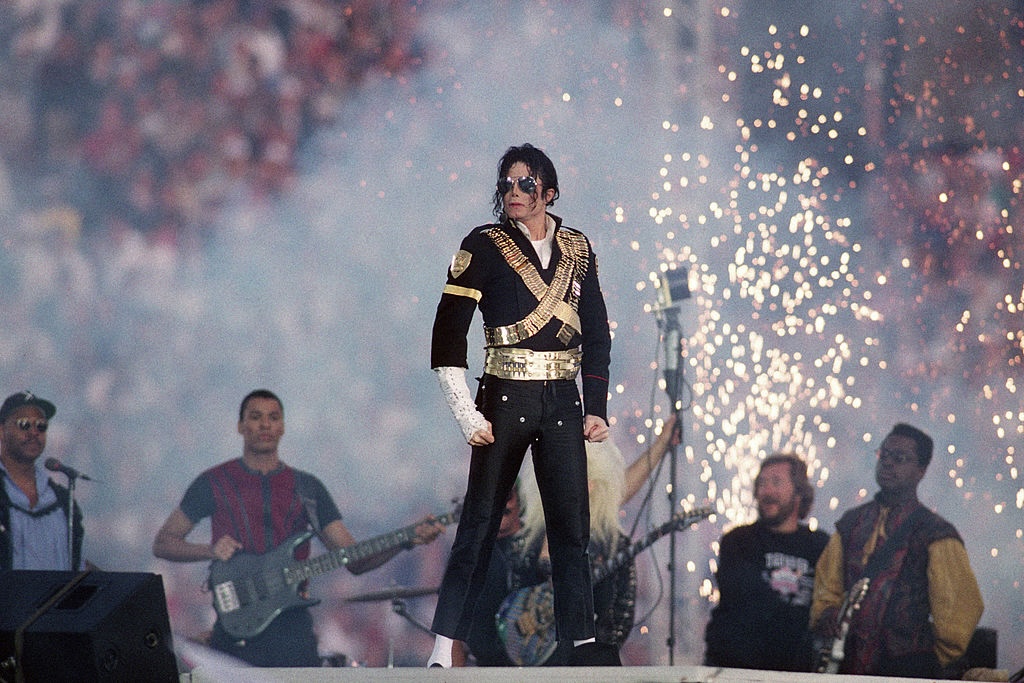
Michael Jackson during the HIStory World Tour in 1997 —Dave Hogan—Getty Images

The arrival of the biopic Michael is reopening a question that never stays buried: What do we do with a genius whose story is shadowed by allegations of harm? A big-budget studio film doesn’t simply revisit a public figure—it situates him in our cultural memory, smoothing some edges, flattening others, and elevating or puncturing myths. That makes the movie, and the arguments that will inevitably follow, a celebration and test of our selective attention: what we preserve, what we minimize, what we cannot bear to hold alongside the undeniably brilliant music. With Jackson, the realities collide: The awe is real. So is the enduring discomfort raised by the alleged child sex abuse—resurfaced forcefully by Leaving Neverland—and the fact that no retelling can offer a clean, perfect ending.

The cultural shock of Leaving Neverland

Michael Jackson’s career soared through the 1980s with a velocity matched only by his startling physical transformation. The first pause came with allegations that he’d sexually abused a boy. Jackson denied the claims, reached a settlement with the 13-year-old’s family, and entered a period of relative domesticity. He married and divorced, had three children. Our skepticism lingered, and by the turn of the millennium, the King of Pop’s stardom had shifted from dominion to drift. More allegations followed. And in 2009, he died.

In many ways, the memory of Jackson operates on two distinct tracks. On one, there’s a sprawling business empire fueled by Jackson’s talent and the public’s embrace of it: Las Vegas, Broadway, West End, and global musical tours. On the other track sit the persistent allegations. The arguably most destabilizing chapter of the second track arrived in 2019, with Leaving Neverland, HBO’s two-part documentary. In it, James Safechuck and Wade Robson—men now, looking back on their boyhoods—described what they said were years of sexual abuse by Jackson. They recalled, in explicit detail, the intimacy that unfolded within the Jackson orbit, an environment shaped by the intoxication of being chosen from relative obscurity.

Both of the accusers had previously defended Jackson in court cases, insisting he hadn’t abused them. Then, after Jackson’s death, they reversed course and pursued legal claims against Jackson’s estate. In 2013, Robson told NBC’s Matt Lauer, “I never forgot one moment of what Michael did to me. But I was psychologically and emotionally unable and unwilling to understand that it was sexual abuse.” He was referring to experiences he alleged occurred between ages 7 and 14. 

There’s a grim plausibility here that doesn’t necessarily need certainty, only the willingness to sit with honesty. People can—and do—survive trauma without naming what happened to them. Trauma can be compartmentalized and rationalized, sometimes for years, until something breaks the seal: a triggering memory, the arrival of a new child. It’s possible that, especially at a young age, you may not have the language or context to pinpoint that what you’ve experienced is, in fact, abuse. Leaving Neverland premiered at Sundance in late January 2019, landing in the midst of the #MeToo moment, when Americans were being rewired to more deeply scrutinize power. So the response was swift. Oprah aired a special interview, After Neverland, with Safechuck and Robson. Broadcasters in New Zealand and Canada pulled Jackson’s songs from playlists. The Simpsons removed an episode that featured him.

The documentary became its own legal battleground. Jackson’s estate sued HBO for a reported $100 million. Robson and Safechuck continued their civil claims; a trial is expected for late 2026. (Jackson’s family has dismissed the suits as a money grab.) By the end of 2019, the news of the biopic was confirmed, with Jackson’s estate as co-executive producers. There was always going to be a Jackson biopic at some point—there’s too much money and myth at stake for Hollywood to resist. But the timing of the film, and the degree of the estate’s involvement, reads differently depending on where you stand. Is it all a bid to reclaim and sanitize Jackson’s narrative so the fortune continues flowing? Or is it a good-faith attempt to set the story straight—even if the culture is too diffused to agree on what a “straight” telling of Michael Jackson’s story means? There’s no easy answer, even from the Jackson family. Jackson’s nephew Jaafar will portray the King of Pop. The star’s daughter, Paris Jackson, wasn’t involved in the production, and said, according to Deadline, “The thing about these biopics is—it’s Hollywood. So it’s fantasy land…. The narrative is being controlled, and there’s a lot of inaccuracy.”

Michael Jackson's Neverland ranch —Paul Harris—Getty Images

Neverland, the refuge—and the warning

Jackson created Neverland Ranch as a sanctuary, nestled in the grassy valleys northwest of Los Angeles, far away from the paparazzi’s gaze. It was a sunny place the performer could explore himself, and sometimes he invited kids to experience the magic of a childhood he lost. But at some point, between the carousel, the ferris wheel, and Bubbles the chimpanzee sleeping in his bedroom—Jackson rode Neverland’s roller coaster far away from the bounds of reality and social norms, into fantasy.

One of the most vivid moments in Jackson’s public unraveling came during his 2003 interview with Ed Bradley on 60 Minutes, as yet another wave of allegations arrived. Jackson was clearly in damage control mode, yet he insisted it was perfectly acceptable for an adult man to share a bed with children who weren’t his own. “If you’re going to be a pedophile or Jack the Ripper, if you’re going to be a murderer, it’s not a good idea. That, I’m not,” he said with certainty. Moments later, he sought refuge in his chart positions. “My album is No. 1 all over the world. America is the only one…I don’t want to say too much.” He paused, sensing the precipice beneath him. “It’s a conspiracy.” 

Jackson seemed on the edge of acknowledging what he believed to be the accusations’ root: not just his accusers’ financial motivations or his own view of behavioral norms, but racism—the way America compresses Black men into archetypes, no matter how singular their gifts. He’d lived so long above gravity, insulated by fans and fantasy, that he appeared to forget the peculiar rules Black people in America carry. The rules say that eccentricity is rarely acceptable. You may only step so far out of line before being humbled back to earth. Nothing can spare you: not a physical transformation, not wealth, not Ivy League degrees or a suit.

There was something mournful in watching Jackson grapple with the realization that his fame, talent, or the myth of him could save him from the reckoning or the boundaries of appropriate behavior with children. His delusion was almost childlike: The world he dazzled would never turn on him. It’s worth asking how much of our interpretation of Jackson is a failure of our cultural vocabulary. In the 1980s and 1990s, a man who moved with so much softness, who treated appearance as a canvas and refused the cues of conventional masculinity, was rarely granted compassion. He was turned into a spectacle. Today, thankfully, we have more space for gender expression and self-reinvention. None of this is absolution. It could explain why Jackson may have been misread in a different era, but it leaves untouched the question: What, exactly, do we owe the art when the artist is accused of harm?

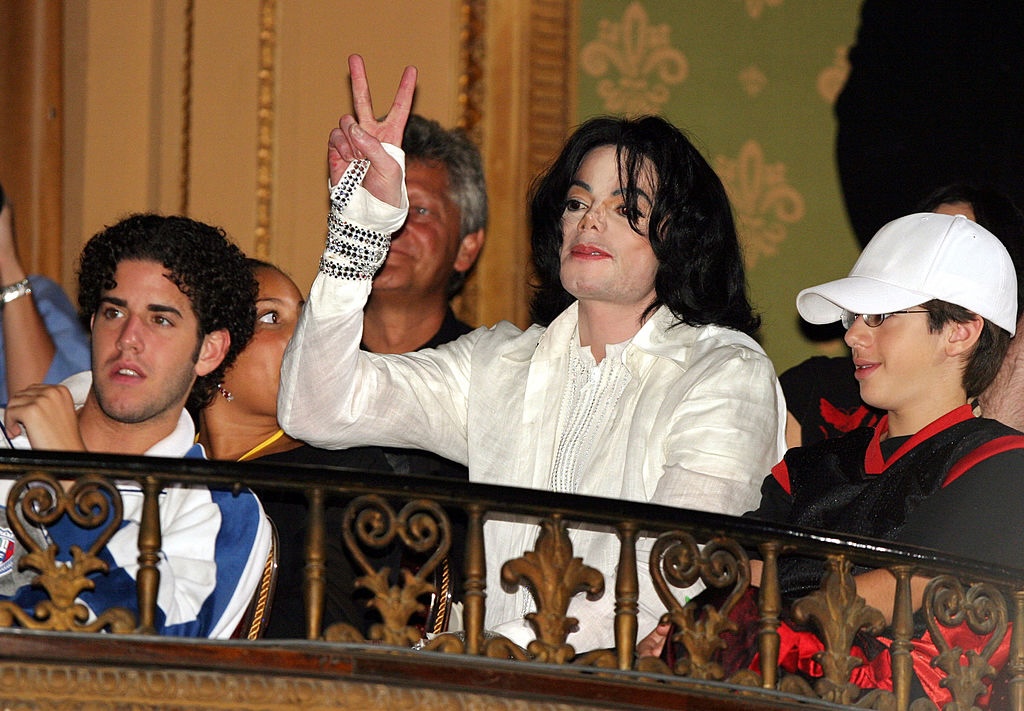
Michael Jackson in 2003 —Courtesy of Getty Images

America's reckoning, the world's memory

The truth is, parts of America never fully welcomed Jackson back after the court cases. His popularity’s decline was shaped partly by race, partly by our deep but uneven revulsion toward scandal involving children, and partly by a media ecosystem that devours spectacle. But in Asia, Latin America, Europe, and Africa, Michael’s music never stopped playing. The devotion persisted—a reminder that the world saw him not simply as a symbol of American chaos but as an artist whose radiance outlasted the noise.

Read more: TIME Special Edition — Michael Jackson: His Music. His Life. His Legacy

Reconciling someone as complicated as Michael Jackson is an exercise in living with contradictions. His music endures because it’s universal: Play “Don’t Stop ’Til You Get Enough” on a street in Lagos or London, and you can bet total strangers will start bopping instinctively. The biopic will inevitably tap into that timelessness. But any credible retelling must somehow deal with the allegations that shadow Michael’s legacy. We turned Michael into a god, and his unraveling is a reminder of what happens when gods are accused of very human harms. The world loves redemption narratives. But absolution—total and final—is an impossible sell.

Michael, at his peak, offered us a cosmopolitan dreaminess that feels too remote in today’s hyper-fractured world. His story reminds us of a time when a single artist could cut across borders, identities, and politics, when ambiguity wasn’t a liability but a connective force. His story is, in the end, a parable about the brilliance and limits of the American imagination. And even now—especially now—we may still find ourselves needing the optimism and joy he once made possible.

© Dave Hogan—Getty Images

Michael Jackson during the HIStory World Tour in 1997
Received before yesterday

Charlize Theron Is Almost Enough to Make Apex Worth Watching

2026年4月24日 19:00
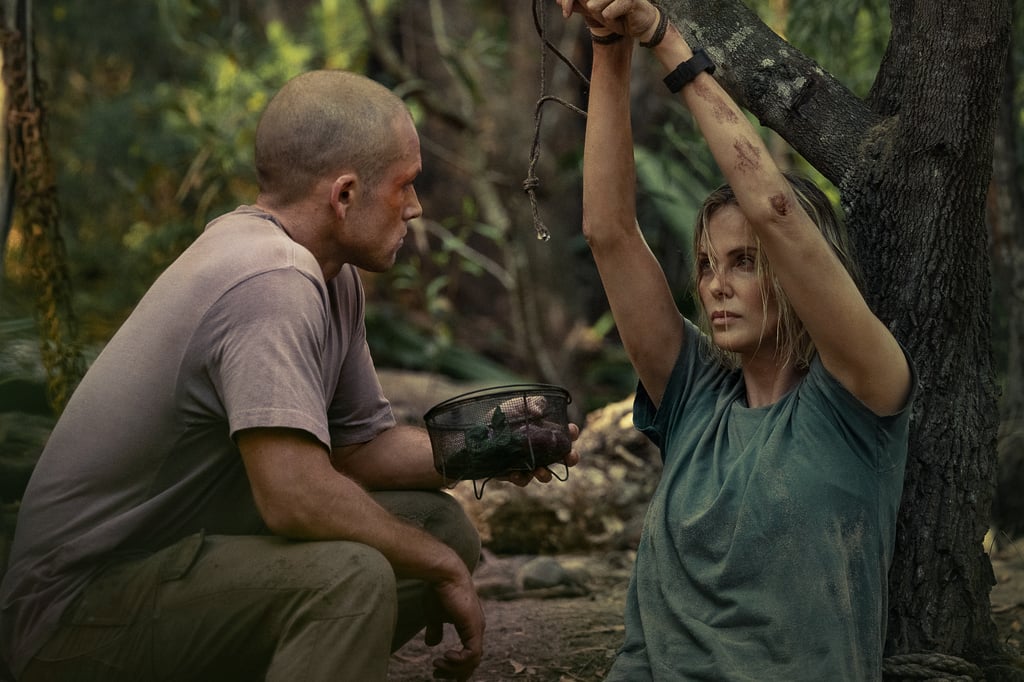
Taron Egerton and Charlize Theron in 'Apex' —Courtesy of Netflix

The problem with movies in which women triumph over the men who brutalize them is that you have to watch the women being brutalized first. That’s the issue with Baltasar Kormákur’s Apex, in which Charlize Theron plays a confident, experienced adventurer who nonetheless finds herself terrorized in the Australian wilderness by a male nutter, played by Taron Egerton. The movie is sometimes thrilling; often it’s just sadistically unpleasant. But at least Theron mitigates some of the material’s problems, because she can mitigate pretty much any movie’s problems. Even when you want to look away from the movie’s glimpses of rusty meat hooks and bloated corpses,  there’s no way to keep your eyes off Theron.

Theron’s Sasha is the kind of woman you know you don’t need to worry about. In the movie’s opening scene, she shows phenomenal muscle strength and perseverance as she scales the imposing, snow-dotted Norwegian rock face known as Troll Wall. Whose butt couldn’t she kick? But that early scene also reveals the tragedy that has scarred Sasha: Her partner both in life and all sorts of thrill-seeking adventures, Tommy (Eric Bana), doesn’t make it up that rock face, and Sasha feels partly responsible for his death. Earlier, huddled in their tiny tent, he’d revealed to her that he wanted to slow things down; he’d become tired of tagging along in her ceaseless quest for the ultimate adrenaline rush. In Sasha’s eyes, their spark somehow both sharp and muted, you can see that she fears he’s becoming tired not just of their shared adventures but of her. And all this happens before the movie’s opening credits. Theron is a supremely economical actor. She can outline a character’s significant traits in the space of a few seconds, which may be why she’s so great at playing action heroes. She doesn’t have a moment to waste.

Theron hangs off a rock face in 'Apex' —Courtesy of Netflix

Next thing we know, Sasha is pulling into a remote Australian gas station, ready for her next challenge, a solo kayaking trip in a sprawling national park. Yet there’s something somber and closed-off about her; it’s clear she still hasn’t gotten over Tommy’s death. A park ranger warns her against traveling solo, pointing ominously to a board cluttered with pictures of missing persons, ostensibly victims of nature’s wrath, its snakes, or at least its twisty, bewildering trails. But Sasha is unfazed. Not even a bunch of leering hunters, stopping in for last-minute gas and provisions and virtually undressing her with their eyes, can rattle her. A gentleman bystander—he makes and sells meat jerky, and he’s dropping off his latest batch—witnesses the goons’ behavior and later apologizes to her for not speaking up. Sasha waves him off—she doesn’t need any man’s protection—though later, because he seems friendly enough, she asks him for directions. He describes a special, secret, tantalizingly remote spot and tells her exactly how to get there. The warning bells don’t go off for her, even if they’re probably clanging boisterously for you.

If Theron's Sasha can't outrun Egerton's Ben, at least she can outthink him —Courtesy of Netflix

The rest of Apex is a little The Most Dangerous Game, a little Silence of the Lambs, a little Deliverance, though it hardly reflects the best bits of any of those movies. Theron’s Sasha is the prey; her aggressor, Egerton’s Ben, is a lunatic with mommy issues. She can almost outrun him, but not quite. Yet in the end she can outthink him, and Apex hinges on our knowledge that she will prevail.

Still, do we really want to see her tied up and menaced, or yowling in pain as the jaws of a metal trap clamp around her leg? Kormakur is a versatile director: he’s made boilerplate action thrillers like Everest and Beast, though movies like the 2024 Touch prove he’s not immune to the charms of romantic melodrama. Apex is efficiently made, and Theron is such an assured performer that she doesn’t allow the audience to linger unduly on Sasha’s suffering. But Apex fails to work either as a vehicle for sick thrills or an excuse for lots of feminist butt-kicking. Ben’s twisted misogynist savagery is exhausting from the start. It’s a wonder he doesn’t die in the movie’s first half, struck down by the deafening clatter of our collective eye rolling. Instead, we have to wait for Theron to finish the job, and even in her capable hands, it takes too long.

© Courtesy of Netflix

Taron Egerton and Charlize Theron in 'Apex'
❌