普通视图

Received today — 2026年6月13日

Ceasefire Deal Within Reach, U.S. and Tehran Say
2026年6月13日 00:57
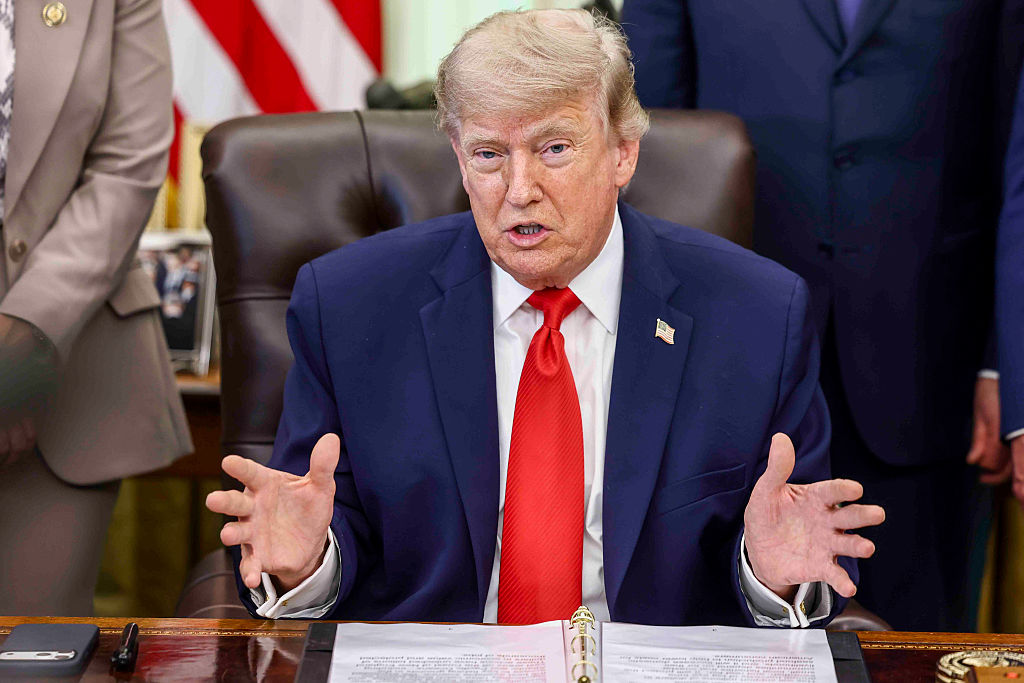
President Donald Trump speaking to reporters in the Oval Office, shortly after announcing his pull back of strikes against Iran in Washington, D.C., on June 11, 2026. —Jim Lo Scalzo—Getty Images


The United States and Iran may be close to a deal to at least pause the war, as officials from both countries and Pakistan signaled that negotiations were advancing well and nearing a final agreement.

But conflicting statements on how to characterize the details of the emerging deal suggested sticking points remained.

A senior Trump Administration official speaking on condition of anonymity on Friday described negotiations that had made “substantial progress” from broad understandings to a written framework that both sides now largely support, while acknowledging that difficult technical questions still remain. 

Iranian Foreign Minister Abbas Araghchi said Friday that a “memorandum of understanding has never been closer.” “Pending its finalization, the media should refrain from entering speculation about its content,” he said, adding that details would be made public “in due course.”

The positive signs came after President Donald Trump on Friday rejected as fake a version of the agreement circulated by Iranian state media that suggested Washington had made significant concessions to Tehran. “The terms that Iran leaked out to the fake news have nothing to do with the terms that were agreed to, in writing,” Trump said. “What they said, including their weak and pathetic statement on having a deal, bears no relation to the truth. Very dishonorable people to deal with.”

Trump also accused Iran of continuing to target ships in the Strait of Hormuz and warned that “they better get their act together, and fast.”

A memorandum of understanding published by Iranian state media suggested Tehran had managed to negotiate regaining access to billions of dollars in frozen assets without ruling out exerting control over the Strait of Hormuz in the future. 

Administration officials describe the agreement differently, portraying it as a five-point, performance-based framework under which Iran would receive economic benefits only after carrying out specific obligations. Economic incentives would be phased in as Tehran turns over nuclear material, dismantles nuclear facilities, and demonstrates a commitment to regional stability, the senior administration official said.

Tehran has long maintained that any broader cease-fire arrangement would need to include assurances regarding Israeli military operations against Hezbollah in Lebanon. Such provisions appeared in the version of the agreement reported by Iranian state media but not in the framework described by U.S. officials.

Shehbaz Sharif, the Prime Minister of Pakistan, whose government has played an intermediary role in the talks, also said that negotiators had reached an agreed-upon text and were working to finalize it. The contradictory accounts from Washington and Tehran come after several days of escalating violence.

The senior Trump administration official said the emerging deal includes Iran “committing indefinitely to never procure or develop nuclear weapons,” a commitment that previous rounds of diplomacy had envisioned lasting only 10 or 20 years. But the official emphasized that verification mechanisms remained essential and would be negotiated in detail. The official added that the U.S. has no objection to Iran maintaining civilian nuclear power generation, but opposes preserving infrastructure that could allow Tehran to move from civilian energy production to weapons development.

The senior official said the broader regional agreement encompasses Lebanon, Israel, and Gulf states but would not deprive Israel of the right to defend itself. If Iran failed to uphold its obligations, the official said, Israel would be expected to respond.

The Trump Administration is also expressing confidence that Israel would ultimately support the agreement, despite longstanding skepticism from Prime Minister Benjamin Netanyahu and concerns among Israeli officials that Washington might settle for terms they viewed as insufficiently stringent.

Trump spoke with Netanyahu on Thursday, according to the senior official, who said Israeli concerns had been fueled in part by inaccurate reports about the contents of the agreement.

“We feel confident that the deal that we’re actually going to strike, assuming we get there, is going to be a deal that everybody in the region can be comfortable with,” the senior official said.

The Administration also downplayed signs of discord inside Iran, saying it believed most of the country’s leadership supported the agreement even though hard-line factions remained opposed.
Received yesterday — 2026年6月12日

Inside the Massive Arena Constructed for the UFC’s White House Cage Match

作者Nik Popli
2026年6月12日 02:10

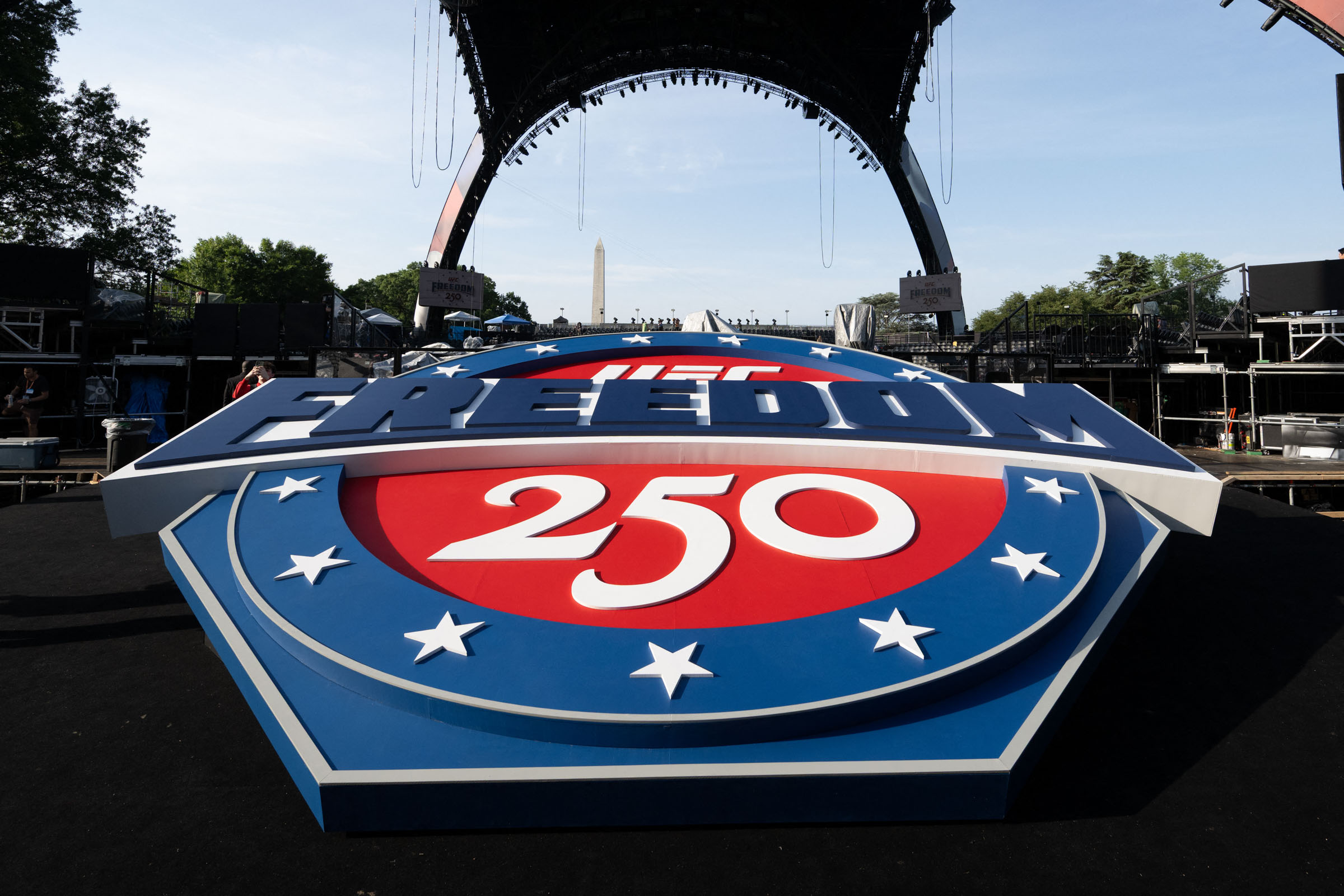
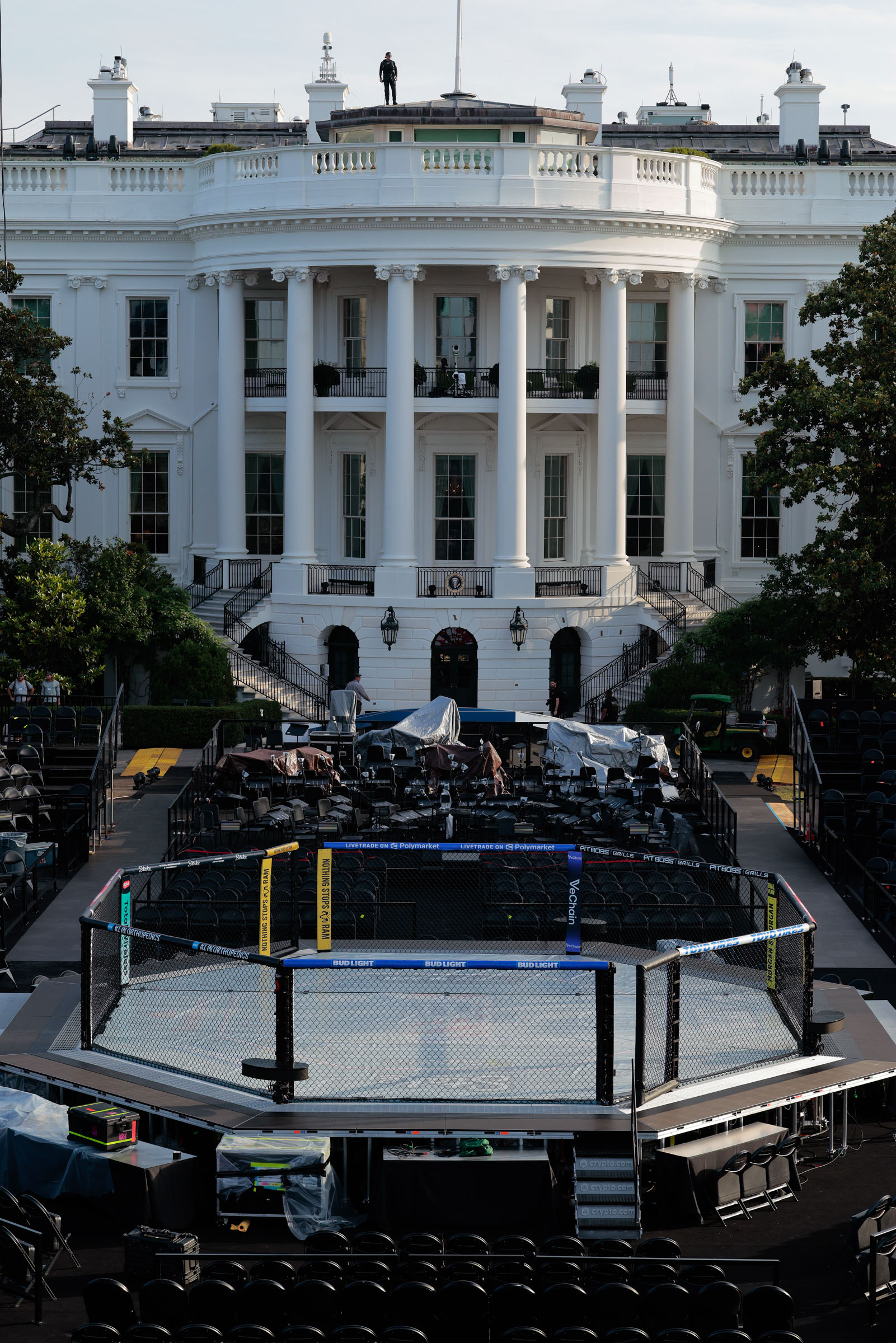
Three days before the first punches are set to be thrown at a White House-UFC event, the South Lawn is unrecognizable. A space that has over the decades hosted world leaders, prisoners of war, and children hunting Easter eggs, is now dominated by a massive, spider-like arch. It towers over the White House, which now seems almost modest by comparison.

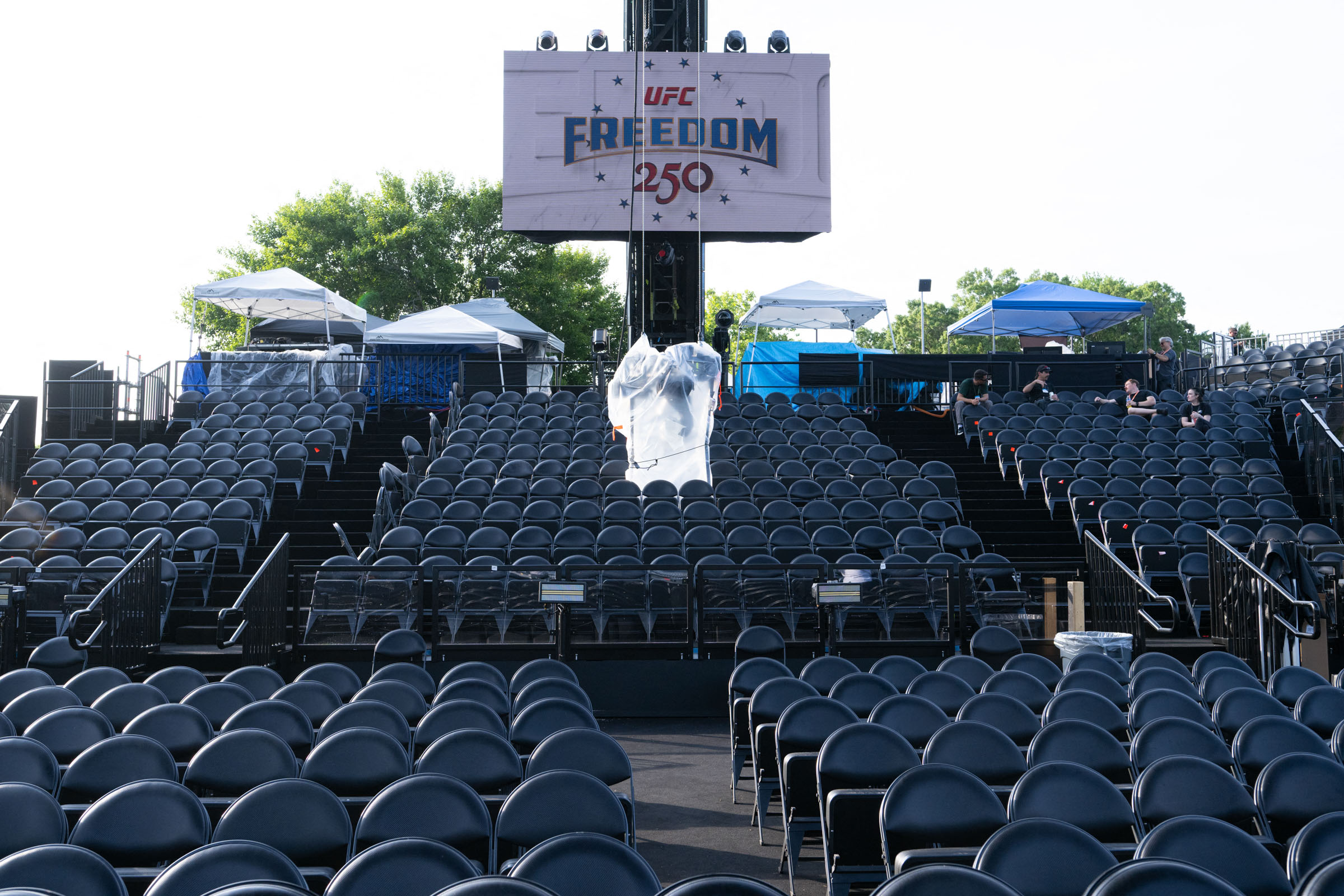
For those in Washington, it has been impossible to miss the hulking 92-foot canopy known as “the claw” being raised behind the White House in preparation for a literal cage match. Up close, its scale becomes more disorienting, with lighting rigs and catwalks layered into a single suspended frame that organizers say can hold 4,000 people. A giant LED screen stands at the southern edge of the temporary arena, pointed toward spectators gathering on the Ellipse. Beyond the structure, the Washington Monument looms in the distance.

The scale of the production is startling, even by the standards of a presidency that has often embraced spectacle. The Octagon stands only a short distance from the Executive Mansion and not far from the Oval Office, where presidents make decisions about war, peace and national crises.

The elaborate production came with an equally eye-catching price tag. The UFC spent roughly $60 million to transform the South Lawn into a temporary arena and has said it expects to lose money on the undertaking, TIME previously reported. Executives have described the event instead as a once-in-a-generation marketing opportunity.

More than 4,000 spectators are expected to attend the fights on the South Lawn, with at least 1,200 seats reserved for active-duty military personnel. Organizers also created standing-room areas to maximize capacity, while a fan festival and viewing party on the Ellipse could accommodate tens of thousands more.

Read more: How Dana White Took the UFC From the Fringes to the White House

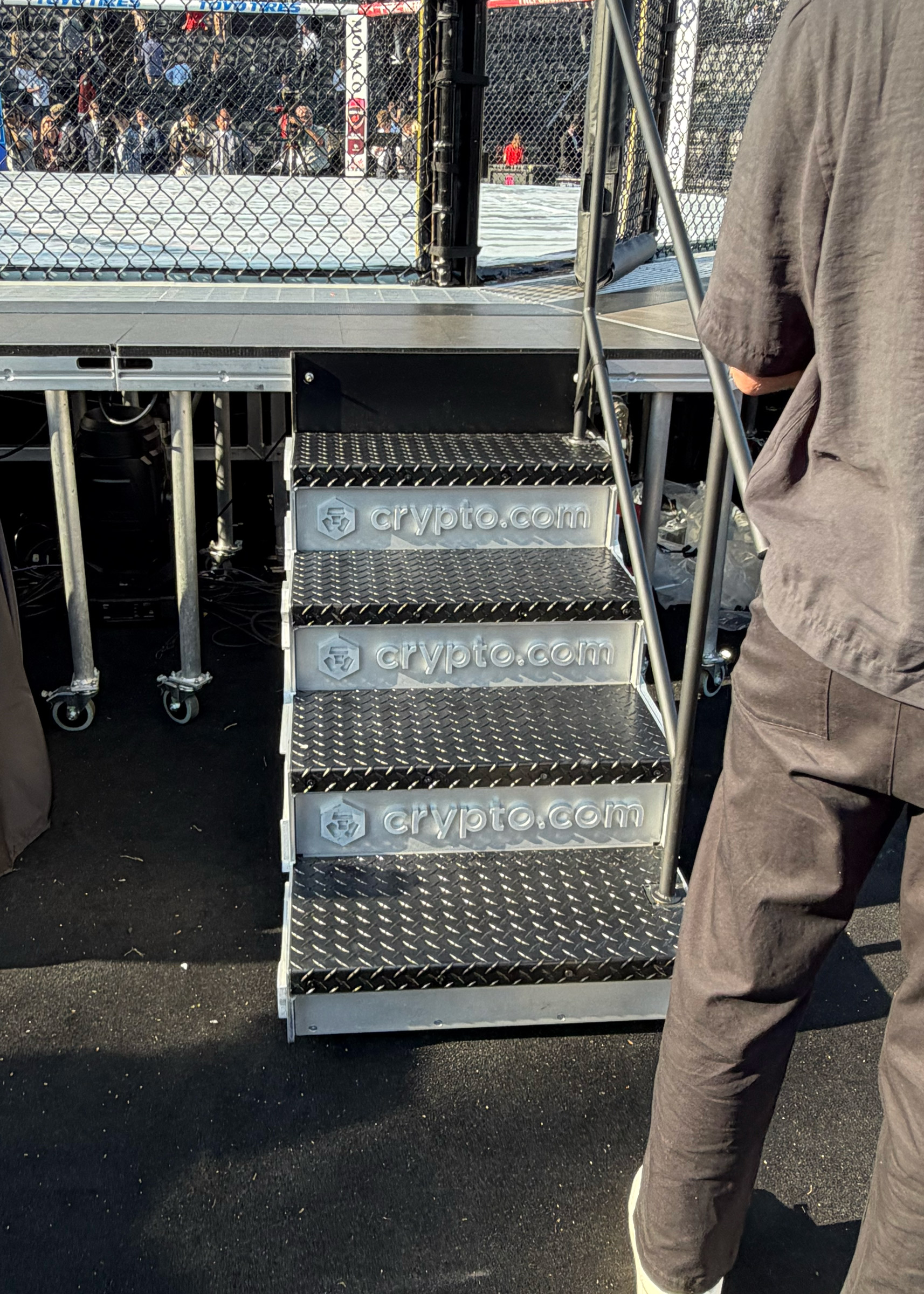
Around the cage, corporate logos line the rails. Polymarket, Stake, VeChain, Bud Light, FRE Nicotine Pouches, and dozen other sponsors are prominently displayed. Even the steps leading onto the stage have been turned into a branding opportunity for Crypto.com.

—Nik Popli
Seating for the upcoming UFC fight that US President Donald Trump will host as part of the 250th anniversary of the United States is seen on the South Lawn of the White House during a media preview in Washington, DC, June 11, 2026. —Saul Loeb—AFP/Getty Images
A "UFC Freedom 250" logo and the structure, known as "The Claw," for the upcoming UFC fight that US President Donald Trump will host as part of the 250th anniversary of the United States is seen on the South Lawn of the White House during a media preview in Washington, DC, June 11, 2026. —Saul Loeb—AFP/Getty Images
Construction continues on the Ultimate Fighting Championship (UFC) "Claw" and the octagon fighting ring on the South Lawn of the White House on June 11, 2026 in Washington, DC. —Chip Somodevilla—Getty Images

Inside a conventional UFC venue, the sponsorships would scarcely merit notice. Advertising has long been woven into the visual fabric of sports. But on White House grounds, they take on a different, more complicated character. Some ethics experts have questioned whether corporate branding from companies operating in industries subject to federal regulation creates uncomfortable optics when displayed on government property. 

A White House official says it has not been involved in any sponsorship discussions around the event. "UFC is funding and paying for this entire event. There are no taxpayer dollars being used outside of what would be applied towards employees normal duties and responsibilities," they added. 

Critics have raised concerns about sponsorship packages reportedly costing more than $1 million and the possibility that they could become another avenue through which wealthy executives seek access to the president. A separate $1 million-per-person fundraiser benefiting Trump allies is scheduled for the previous evening, according to NBC News. Organizers maintain that the events are entirely separate, and the same White House official rejected suggestions of impropriety.

“The federal government is not making any money,” the official said. “We are hosting like any other POTUS or FLOTUS hosted event.”

Yet the symbolism proved difficult to ignore.

As TIME recently reported, Trump first planted the seeds for a UFC event at the White House days after his 2024 election, envisioning a series of fights to mark his 80th birthday and inaugurate the broader celebration of the nation's 250th anniversary. The event, known as UFC Freedom 250, also represents the culmination of a relationship that stretches back more than two decades between Trump and Dana White, the president of the UFC.

Long before either man occupied his current position, Trump offered the fledgling mixed martial arts organization a home at the Trump Taj Mahal in Atlantic City when many mainstream venues viewed the sport with skepticism. White never forgot the gesture. Over the years, he evolved from a business ally into one of Trump's most loyal supporters, speaking at Republican conventions, helping Trump reach younger male audiences during the 2024 campaign and becoming a fixture in his political orbit.

A lawsuit filed by the Public Integrity Project seeks to block the fights, arguing that allowing a private company to stage what it describes as a for-profit event on White House grounds amounts to an improper use of public property. White House officials have dismissed the suit as baseless.

White has described the undertaking as a celebration of America rather than a political act. Trump supporters have embraced the event as an expression of national pride and a showcase for a distinctly American sport. But even some admirers of the UFC have acknowledged the unusual optics. Joe Rogan, the longtime commentator and podcaster, described the White House event as a "gimmick." 

While the stage appears to be set, UFC and White House officials are watching the weather forecasts closely. As of Thursday, forecasts show a chance of thunderstorms Sunday evening. The canopy over the Octagon is designed to shield fighters and portions of the audience from rain, but most seating remains exposed—as well as the tens of thousands expected to gather around the Ellipse. Lightning within eight miles of the South Lawn would trigger a mandatory evacuation and a 30-minute delay. Persistent strikes could disrupt or even halt the proceedings. 

❌