While President Trump seemed to threaten military action this month in Greenland over a national security crisis that no one else could see, he has been nonchalant about a far more serious risk of war in the Taiwan Strait — in ways that elevate the peril.
本月,特朗普总统似乎威胁要在格陵兰岛采取军事行动,以应对一场只有他一个人能看到的国家安全危机,但他对台湾海峡更严重的战争风险漠不关心——这种态度反而加剧了危险。
Late last month, China launched missiles around Taiwan in live-fire military exercises that looked like a practice run for a blockade of the island. Major countries, including Britain, Germany and France, promptly called on China to grow up (though a bit more diplomatically). There was one conspicuous absence: the United States.
上月底,中国在台湾周边举行实弹演习发射导弹,看起来像是对封锁该岛进行预演。英国、德国、法国等主要国家立即呼吁中国成熟行事(尽管措辞更为委婉)。但有一个国家明显缺席:美国。
Trump downplayed China’s military exercises. It wasn’t until two days after they had wrapped up that the Trump administration issued a statement — from just a deputy State Department spokesman — expressing concern.
特朗普对中国的军事演习轻描淡写。直到演习结束两天后,特朗普政府才做出表态——仅仅是通过一名国务院副发言人发表了一份声明,以表达关切。
All of which raises a question: If Trump can’t even respond promptly to a straightforward provocation by China, what hope is there that he would respond decisively if President Xi Jinping of China actually attacked Taiwan? And another question: Does Trump’s passivity increase the risk that Xi will take reckless actions toward Taiwan?
这一切引出一个问题:若特朗普连中国明目张胆的挑衅都无法及时回应,那么如果习近平主席真对台湾发动攻击,他又怎能果断应对?另一个问题是:特朗普的消极态度是否会增加习近平对台湾采取鲁莽行动的风险?
As I wrote in a recent column from Taiwan, of all the calamities that might befall the world in the coming decade or so, a war in the Taiwan Strait would be among the worst. It would risk an exchange of nuclear weapons between the United States and China.
正如我近期在台湾撰写的专栏所述,在未来十年可能降临世界的种种灾难中,台海战争堪称最恶劣的灾难之一。它将使美中两国陷入核武冲突的风险。
Wars are expensive in every way, while deterrence is a bargain. And while deterrence will depend heavily on Taiwan’s political will, Trump should be doing everything possible to convey to Xi that China would face devastating costs if it attacked Taiwan. Alas, Trump seems to be doing the opposite, signaling to Xi something closer to a yawn.
战争无论从哪个方面看都代价高昂,而威慑却是划算的。尽管威慑力在很大程度上取决于台湾的政治意愿,但特朗普应该竭尽全力向习近平传达这样的信息:如果中国攻击台湾,将面临毁灭性的代价。可惜,特朗普似乎在做相反的事情,他向习近平发出的信号更像是在打哈欠。
“That’s up to him, what he’s going to be doing,” Trump said in an interview with The Times this month, referring to how Xi might handle Taiwan. “But, you know, I’ve expressed to him that I would be very unhappy if he did that, and I don’t think he’ll do that. I hope he doesn’t.”
“这取决于他,他要做什么,”特朗普本月接受时报采访时谈到习近平可能如何处理台湾问题时说。“但是,你知道,我已经向他表达过,如果他那么做,我会非常不高兴,而且我不认为他会那么做。我希望他不会这么做。”
That was a shockingly mild response, and it contrasted with the concern in Trump’s own Defense Department. Adm. Samuel Paparo, head of the Indo-Pacific Command, warned last spring that “Beijing’s aggressive maneuvers around Taiwan are not just exercises — they are dress rehearsals for forced unification.”
这番回应之温和令人震惊,与特朗普自己国防部的担忧形成鲜明对比。印太司令部司令塞缪尔·帕帕罗上将去年春天警告说:“北京在台湾周边的侵略性演习不仅仅是演习,它们是武力统一的彩排。”
And just last month, the Pentagon issued a major report warning about China’s gains in military power, including cyber, space and nuclear weapons and artificial intelligence, and asserting that “China expects to be able to fight and win a war on Taiwan by the end of 2027.”
而就在上个月,五角大楼发布了一份重要报告,对中国军事实力的提升提出警告,包括网络、太空和核武器以及人工智能领域,并断言“中国预计在2027年底前具备对台开战并取胜的能力”。
That may be alarmist. My view is that Xi would much prefer to avoid war. But he is hard to gauge, and Trump’s seeming lack of interest in the topic surely plays into Xi’s calculations of the costs and benefits of aggression against Taiwan.
这或许是危言耸听。我认为习近平更倾向于避免战争。但他难以捉摸,而特朗普对该议题看似漠不关心的态度无疑会影响习近平对侵台利弊的考量。
Ko Chen-heng, a longtime Taiwan security official who now leads a military think tank in Taipei, told me that Chinese generals are probably sobered by Trump’s decisiveness in attacking Venezuela and by the ease with which American forces foiled Chinese-made radar systems in Venezuela.
长期担任台湾安全事务官员、目前在台北负责一家军事智库的柯承亨向我透露,中国的将军们可能会因为特朗普在攻击委内瑞拉时的果断,以及美军在委内瑞拉轻而易举地挫败了中国制造的雷达系统而清醒。
But Ko also noted that Trump’s mild reaction to China’s military exercises may encourage China, Russia and North Korea to test America in the Pacific.
但柯承亨同时指出,特朗普对中国军事演习的温和反应可能鼓励中俄朝三国在太平洋地区对美国进行试探。
If a test is underway, I fear Trump is failing it. And some in Taiwan are nervous that Trump’s desire to make his April summit with Xi a diplomatic triumph will lead him to casually make concessions that damage Taiwan’s security.
倘若这场试探正在进行,我担心特朗普正面临失败。台湾部分人士忧虑,特朗普希望把4月与习近平的峰会打造成一场外交胜利,这可能导致他轻率做出损害台湾安全的让步。
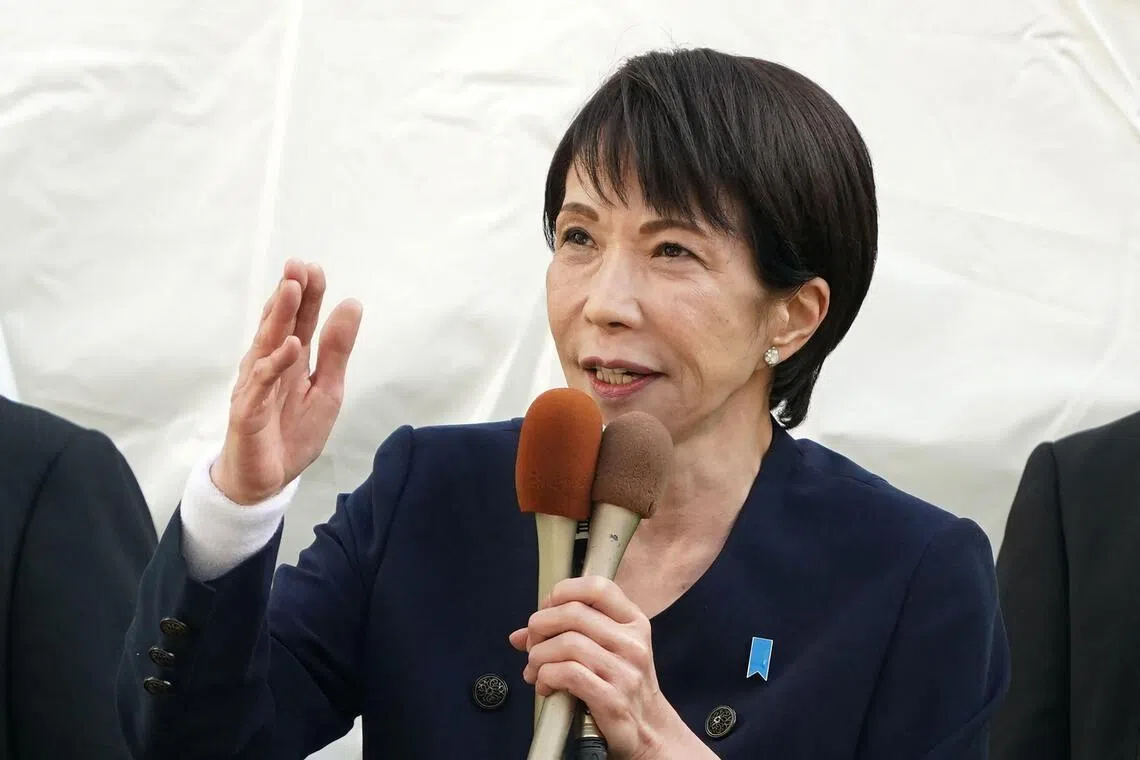
Trump’s puzzling deference to Xi has been on display over the last two months, as Beijing has undertaken a frenzied campaign against Japan. The campaign began after the Japanese prime minister, Sanae Takaichi, indicated that her country might respond militarily if China used force against Taiwan.
在过去的两个月里,随着北京对日本展开疯狂施压,特朗普对习近平令人费解的遵从态度已显露无遗。这场攻势始于日本首相高市早苗表示,如果中国对台湾动武,日本可能会做出军事回应。
“If you stick that filthy neck where it doesn’t belong, it’s going to get sliced off,” a Chinese diplomat publicly warned Japan.
“那颗自己冲上来的肮脏的头颅,必须毫不犹豫地砍掉,”一位中国外交官公开警告日本。
Any normal president would have called Takaichi to show support. Instead, Trump had a call with Xi and then reportedly advised Japan to pipe down. This felt like a betrayal of an ally essential to deterring Chinese aggression.
任何一位正常的总统都会致电高市早苗以示支持。相反,特朗普却与习近平通了电话,随后据称建议日本少说点。这让人感觉像是对一位在遏制中国侵略中至关重要的盟友的背叛。
Why should we care about Taiwan? For starters, it’s now arguably the most democratic place in Asia, and it would be better if it didn’t fall under a rival nation’s oppressive thumb. More broadly, Taiwan manufactures most of the world’s advanced chips, so a war there might trigger a prolonged global depression and deprive the U.S. economy and military of critical inputs. In addition, Taiwan is part of the first island chain that limits China’s ability to project power across the Pacific, so its loss would be an immense setback for American military, political and economic influence.
我们为什么要关心台湾?首先,台湾现在可以说是亚洲最民主的地方,不要落入敌对国家的高压统治之下比较好。从更广泛的意义上讲,台湾制造了世界上大部分的先进芯片,因此那里的战争可能会引发长期的全球经济萧条,并使美军和美国经济丧失关键物资供应。此外,台湾是限制中国在太平洋投射力量的第一岛链的一部分,因此失去台湾将使美国军事、政治和经济影响力遭受巨挫。
The United States traditionally has declined to say whether it would defend Taiwan from a Chinese invasion. But this policy of “strategic ambiguity” oscillates with the president, and Trump seems much less inclined to protect Taiwan than some of his predecessors.
美国历来拒绝明确表态若中国入侵台湾是否会出兵防卫。但这种“战略模糊”政策随总统更迭而摇摆,特朗普似乎比某些前任更不愿意保护台湾。
To the Trump administration’s credit, in December it announced an $11 billion arms sale to Taiwan, a huge package that will help with deterrence. But overall I fear that Trump has projected a dangerous weakness.
值得肯定的是,特朗普政府去年12月宣布向台湾出售110亿美元武器,这笔巨额军售将有助于增强台湾的威慑力。但总体而言,我担心特朗普展现出危险的软弱姿态。
One reason for Trump’s diffidence may be his dismissal of Taiwan as a tiny island far less significant than China. Another may be vulnerability: Americans don’t seem to understand how much Xi outmaneuvered Trump in 2025. Trump started a trade war with Beijing, and Xi responded to Trump’s tariffs by restricting exports of rare-earth elements, forcing an American surrender and leaving Trump in effect on a Chinese leash.
特朗普态度暧昧的原因之一,可能是他认为台湾只是一个远不如中国重要的小岛。另一原因或许是脆弱:美国人似乎并不了解习近平2025年在多大程度上战胜了特朗普。特朗普挑起同北京的贸易战,习近平则以限制稀土出口反击关税,迫使美方投降,使特朗普实质上被中国牵着走。
In 1996, President Bill Clinton dispatched two aircraft carrier strike groups to support Taiwan during a crisis. But Trump knows that if he made a similar move today, China would most likely cut off rare earths and hobble the American economy.
1996年,克林顿总统在一场危机期间曾派遣两支航母打击群支援台湾。但特朗普深知,若今日采取类似行动,中国极可能切断稀土供应,使美国经济陷入困境。
So instead of America’s deterring China from aggression against Taiwan, Xi may be deterring Trump from defending Taiwan.
因此,与其说是美国吓阻中国侵略台湾,不如说是习近平吓阻特朗普不要出手保卫台湾。
Trump should take two critical steps to boost deterrence. First is to ensure that Russia loses in Ukraine or pays a staggeringly high price. If Xi saw the world united behind strong anti-Russia sanctions and asset confiscations as well as overwhelming support for Ukraine that made Moscow likely to lose, he would hesitate to attack Taiwan.
特朗普应采取两个关键步骤来增强威慑力。首先是确保俄罗斯在乌克兰问题上失败,或付出惊人的高昂代价。如果习近平看到全世界团结一致对俄罗斯实施强有力的反制裁和资产没收,并对乌克兰给予压倒性的支持,使莫斯科很可能输掉,那么他就会对攻击台湾三思而行。
Second, the United States should cultivate friends that would stand with us in a conflict over Taiwan. President Joe Biden knit together Japan, South Korea, the Philippines and Australia for that purpose. It would also help to have friendly countries ready to sanction China and to support a blockade of Chinese shipping through the Malacca Straits.
其次,美国应该培养在台湾冲突中与我们站在一起的朋友。拜登总统为此团结了日本、韩国、菲律宾和澳大利亚。如果友好国家愿意制裁中国并支持封锁中国通过马六甲海峡的航运,也会有所帮助。
Trump is taking neither step, of course. And by chasing a fantasy in Greenland and seemingly running away from Taiwan, he elevates the risk of an actual nightmare of a war.
当然,特朗普并没有采取任何措施。他沉迷于格陵兰岛的幻想,似乎在台湾问题上退缩逃避,这反而加剧了一场真实战争噩梦发生的风险。

 登录
登录